Blue Light Glasses for Light Sensitivity

42 products

Showing 1 - 42 of 42 products

Showing 1 - 42 of 42 products
View
Save 7%
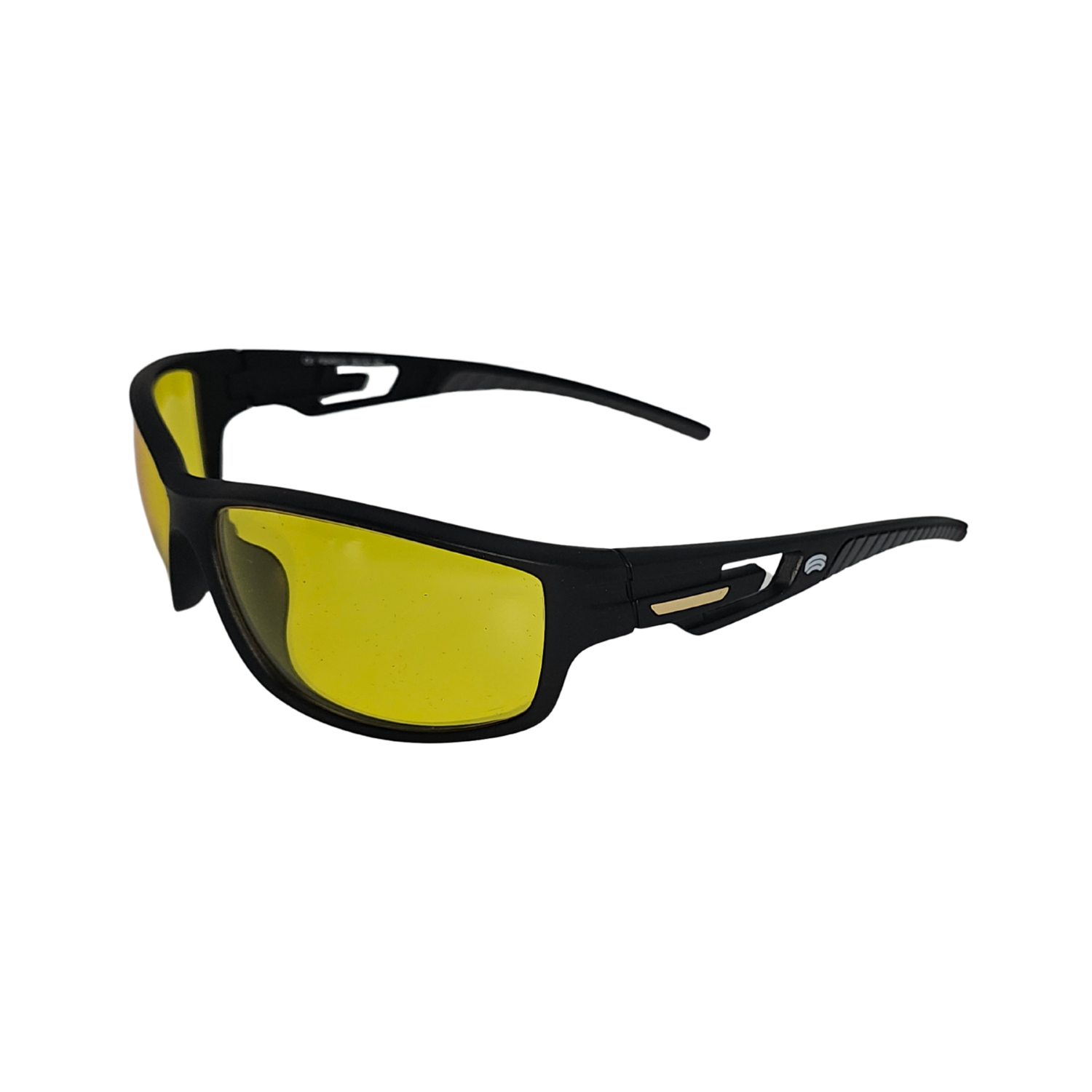
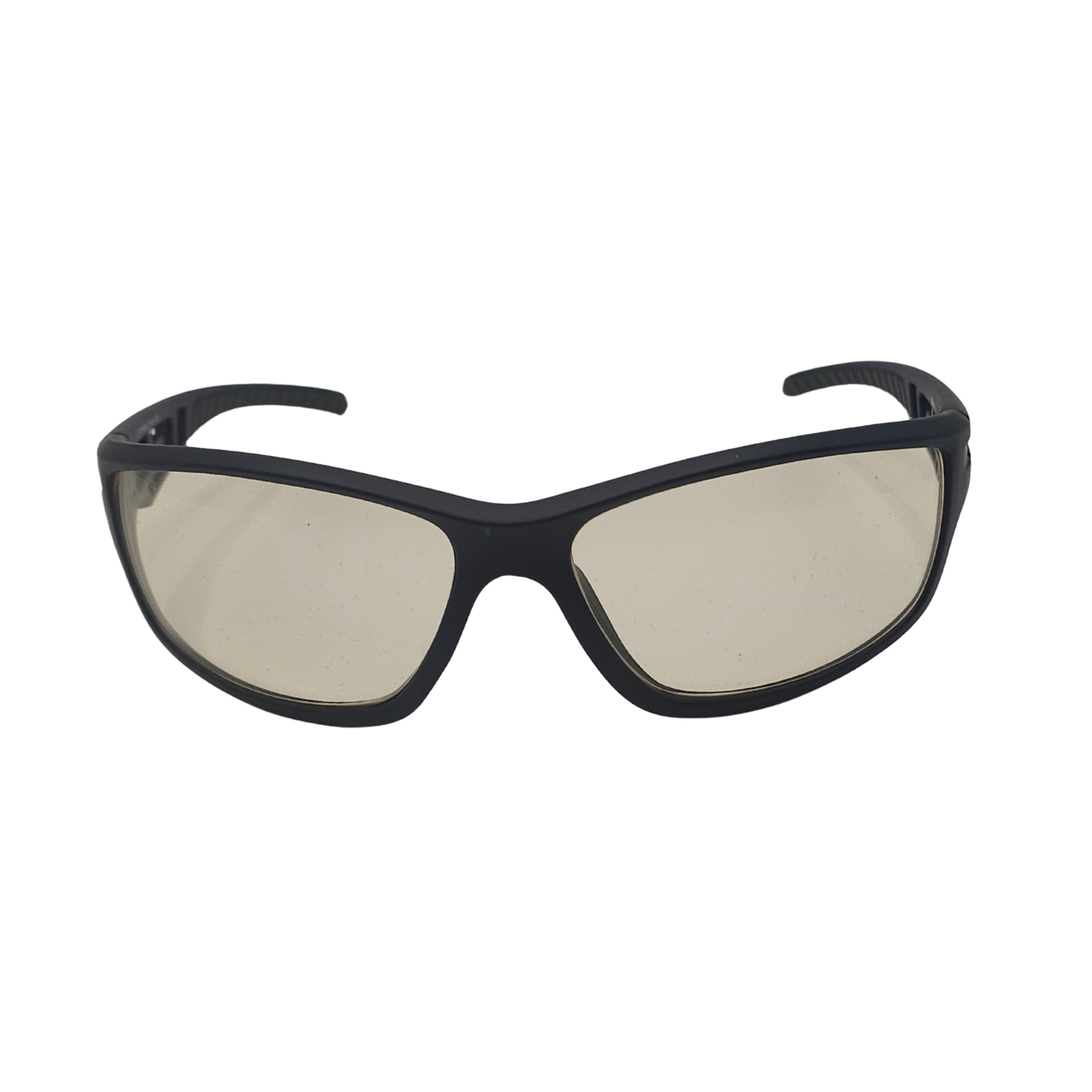
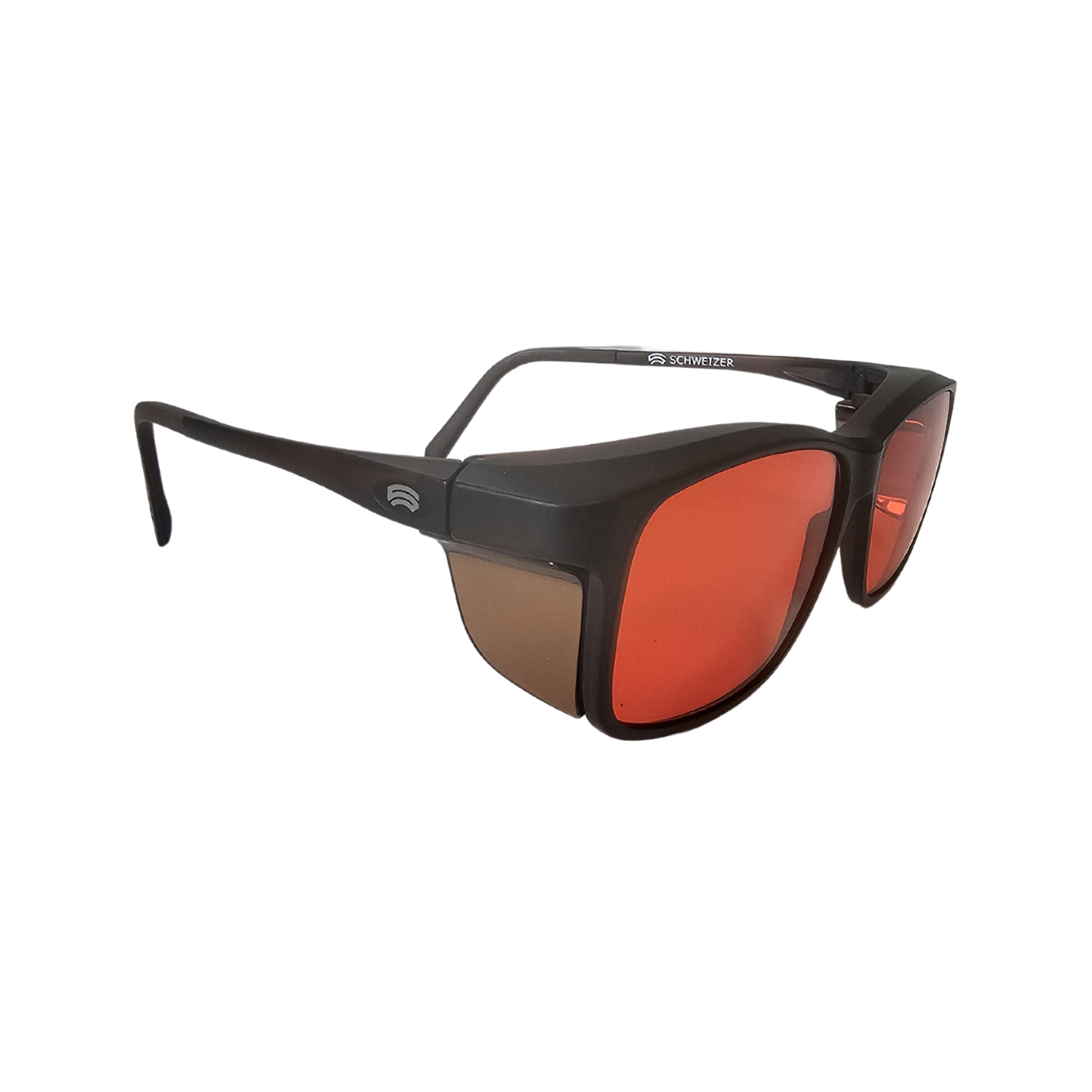
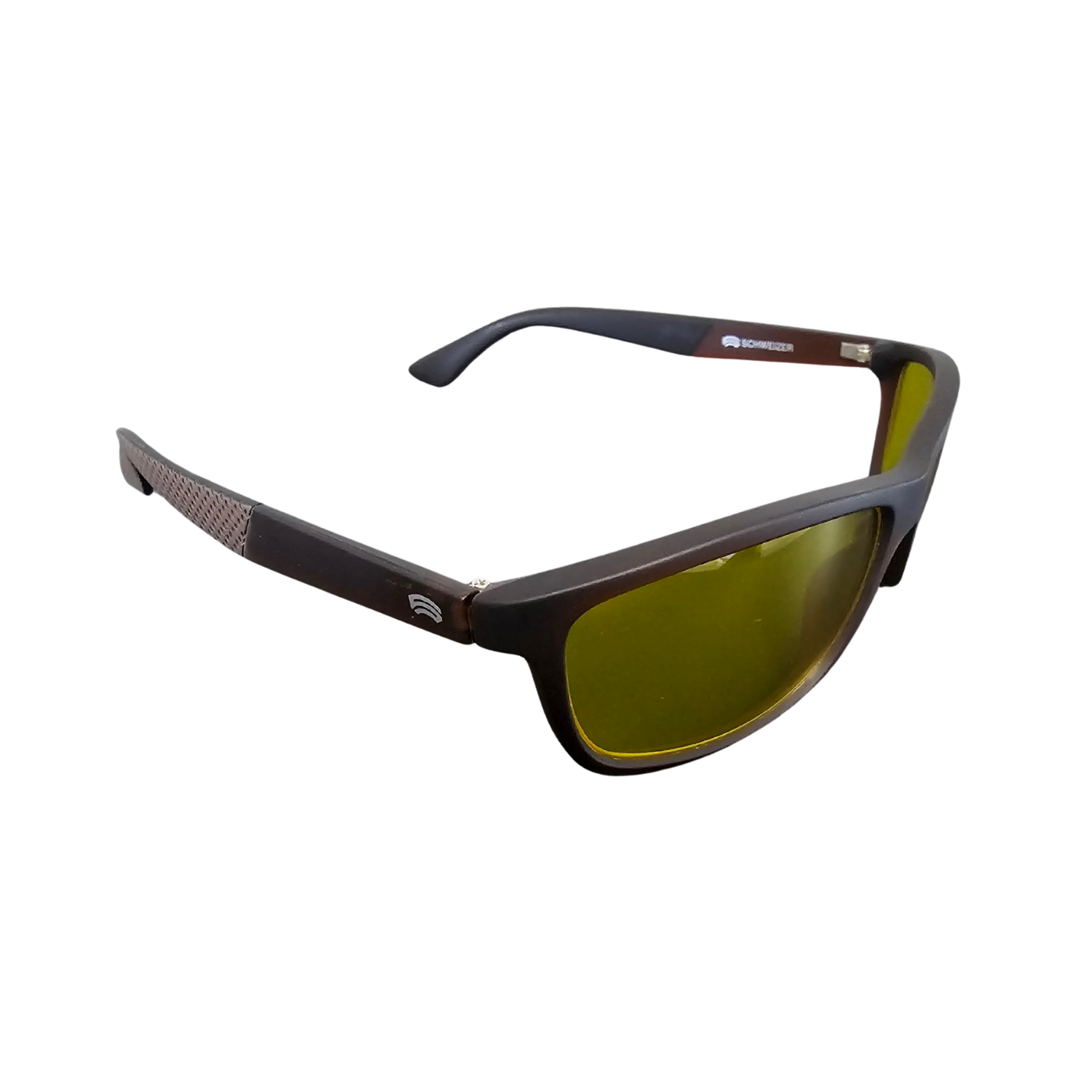
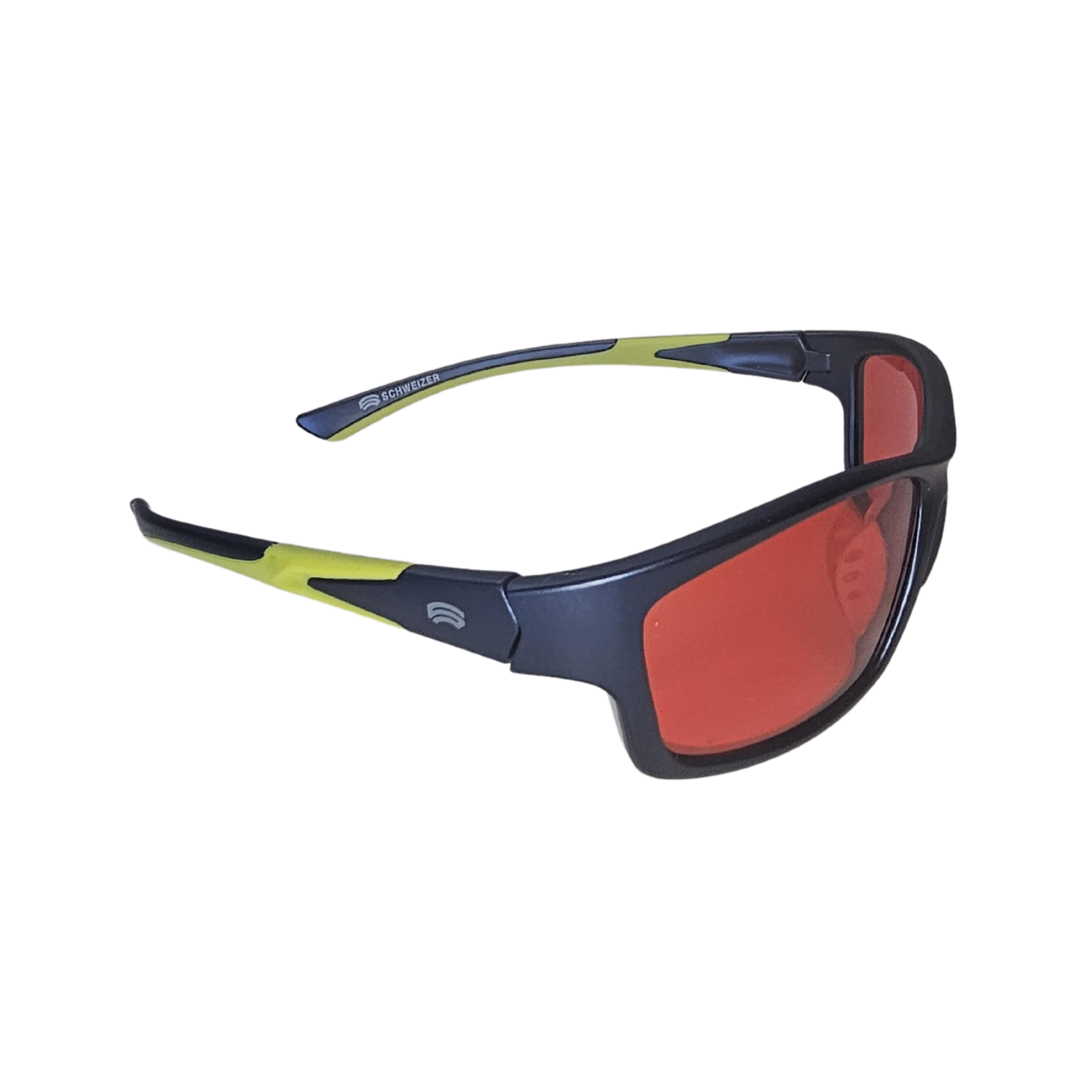
Right side of  FS2 sport frames in Dark Blue/Lime with plum blue blocking lenses.
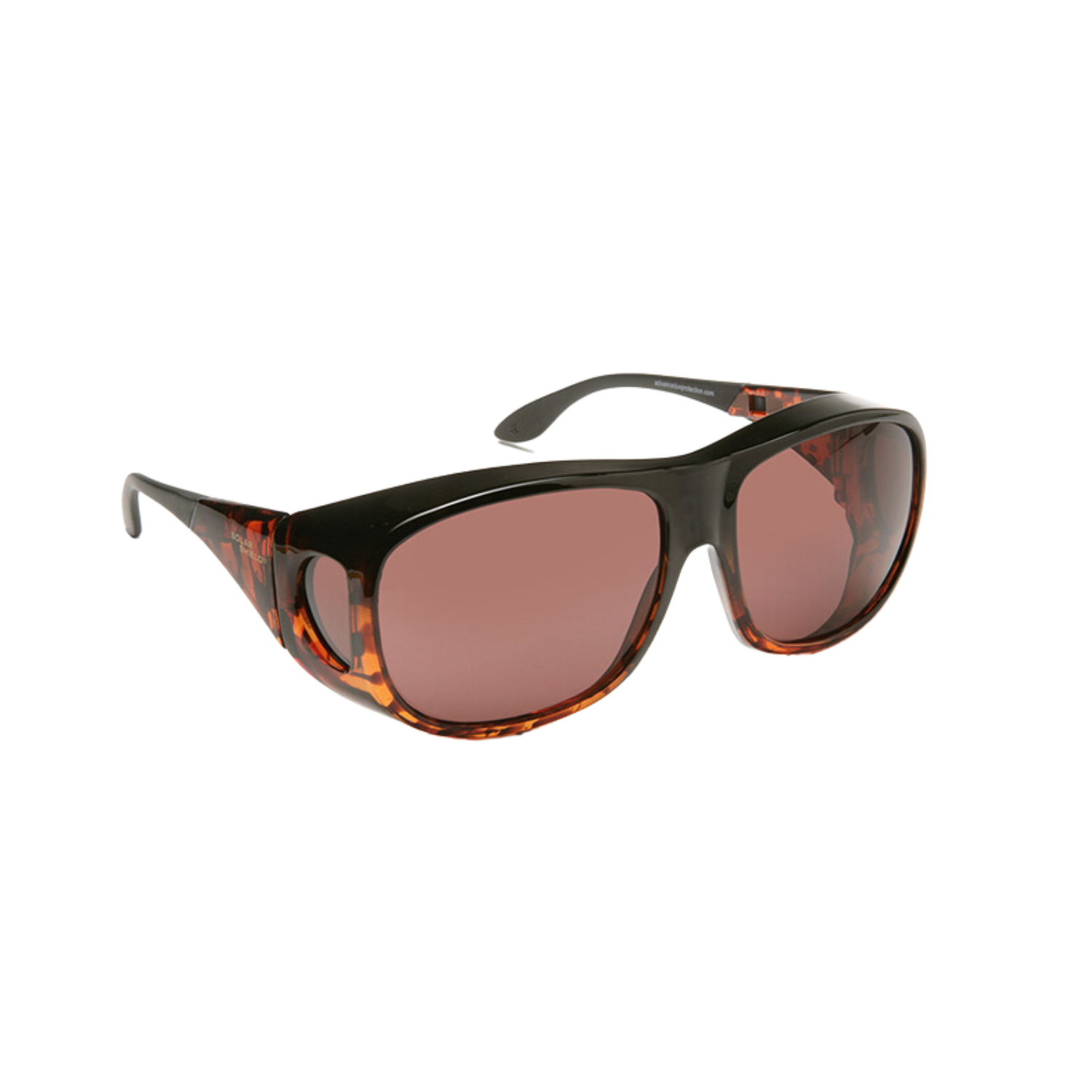
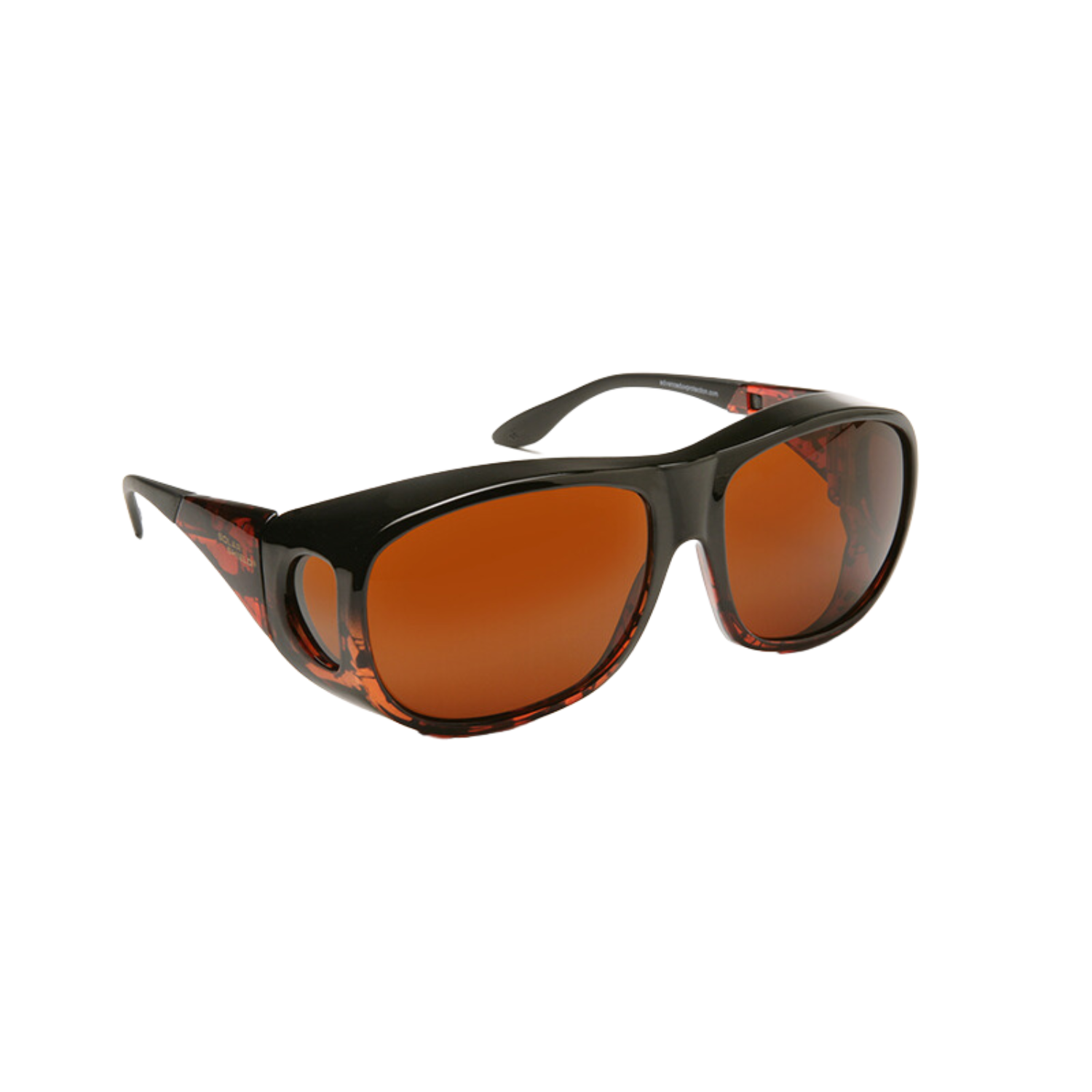
Save 6%
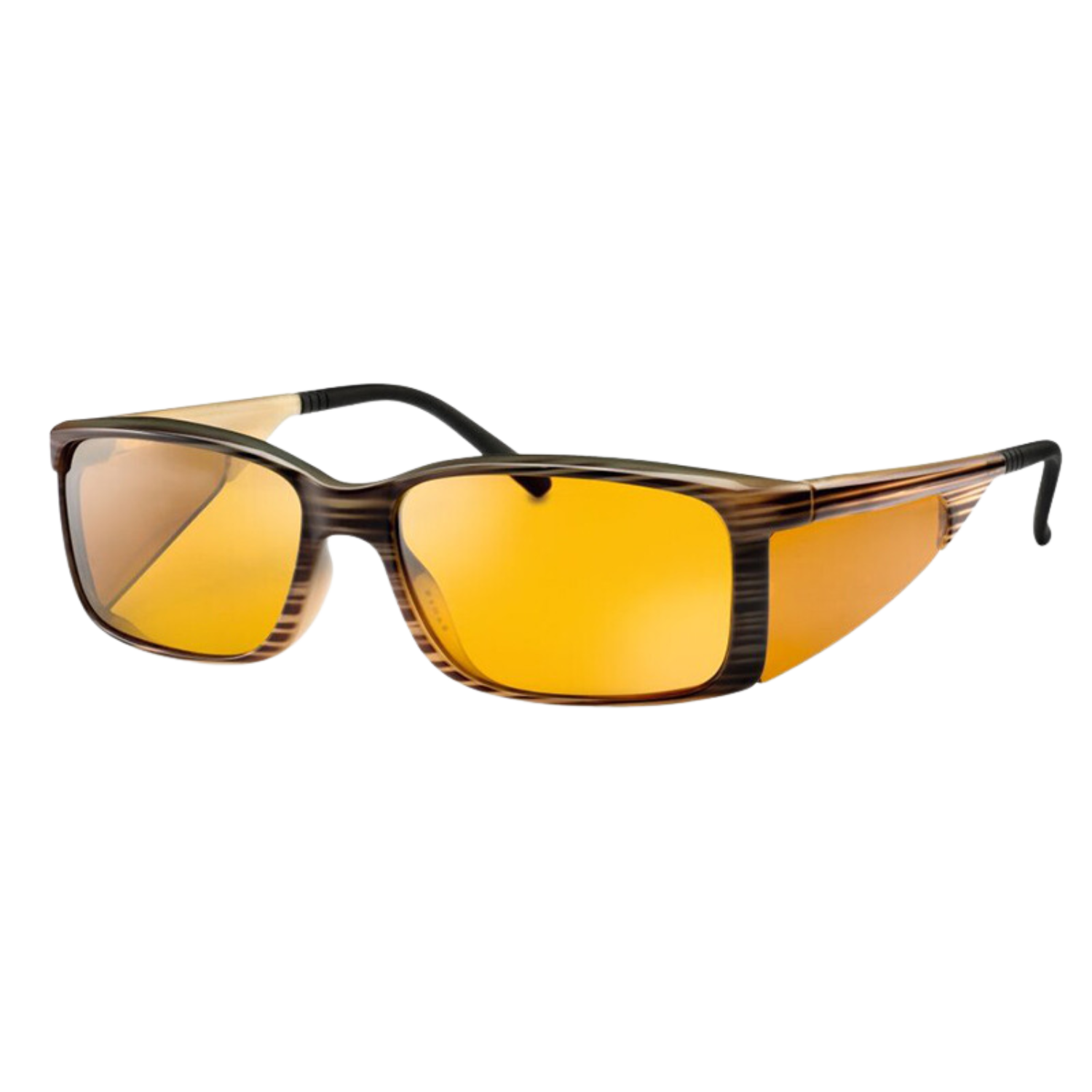
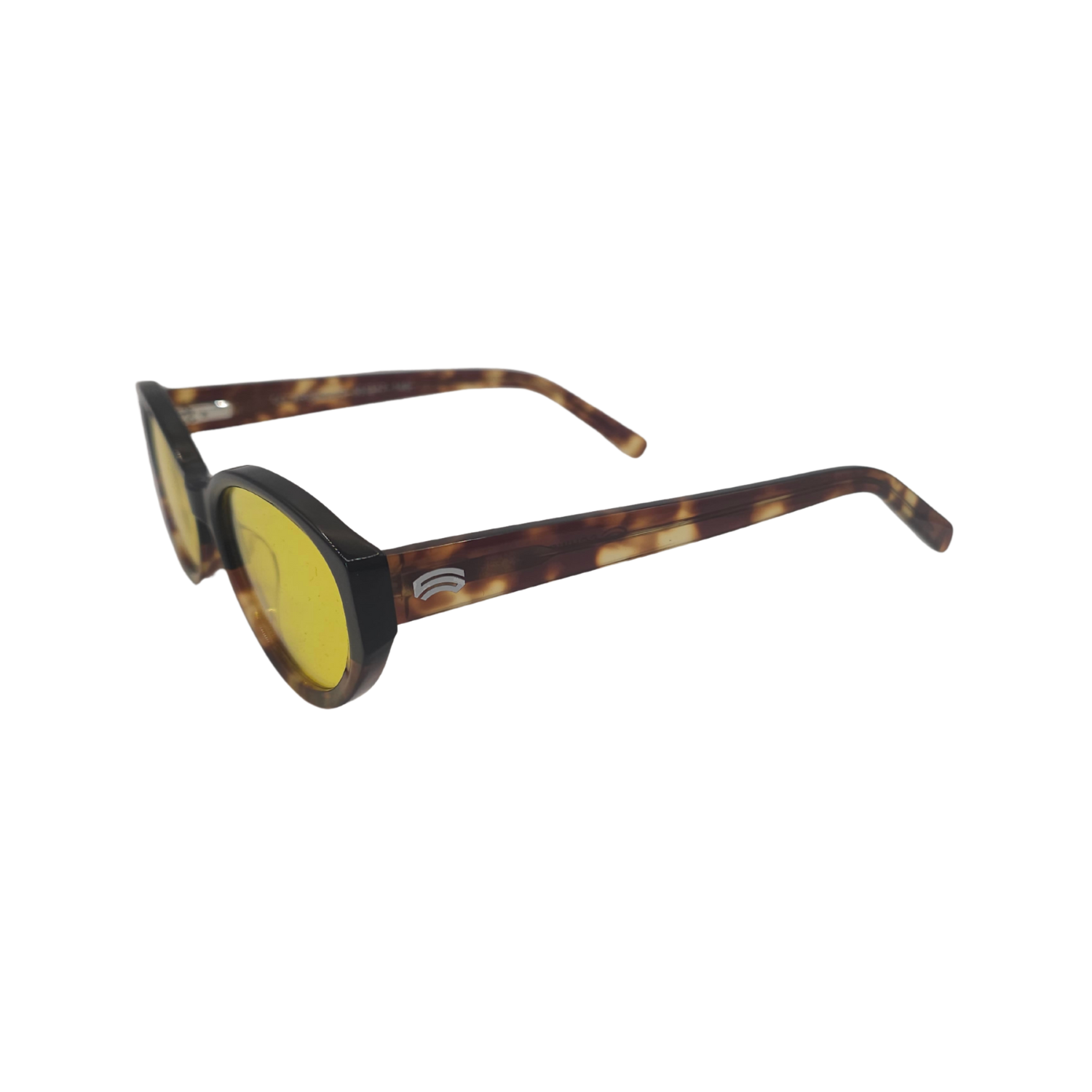
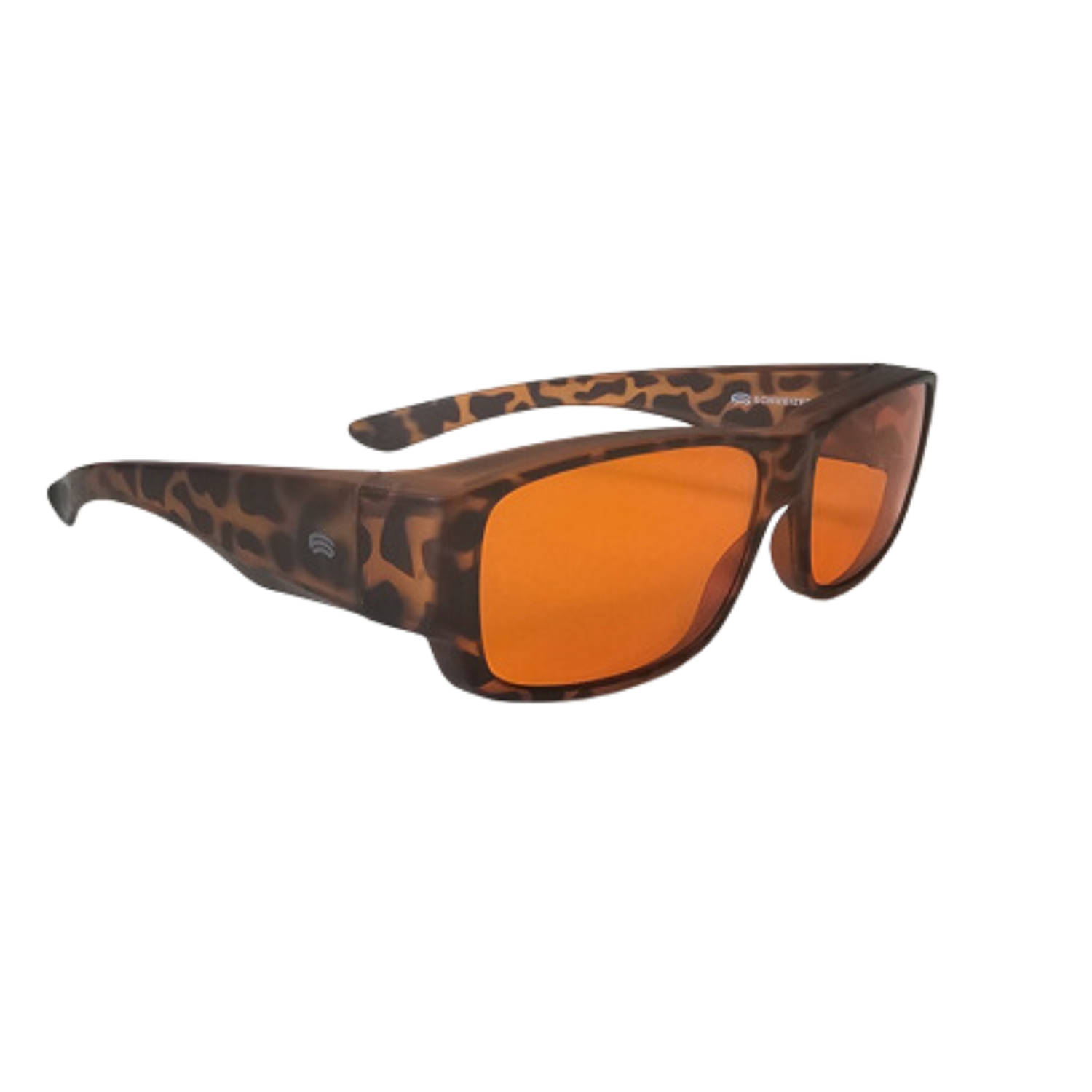
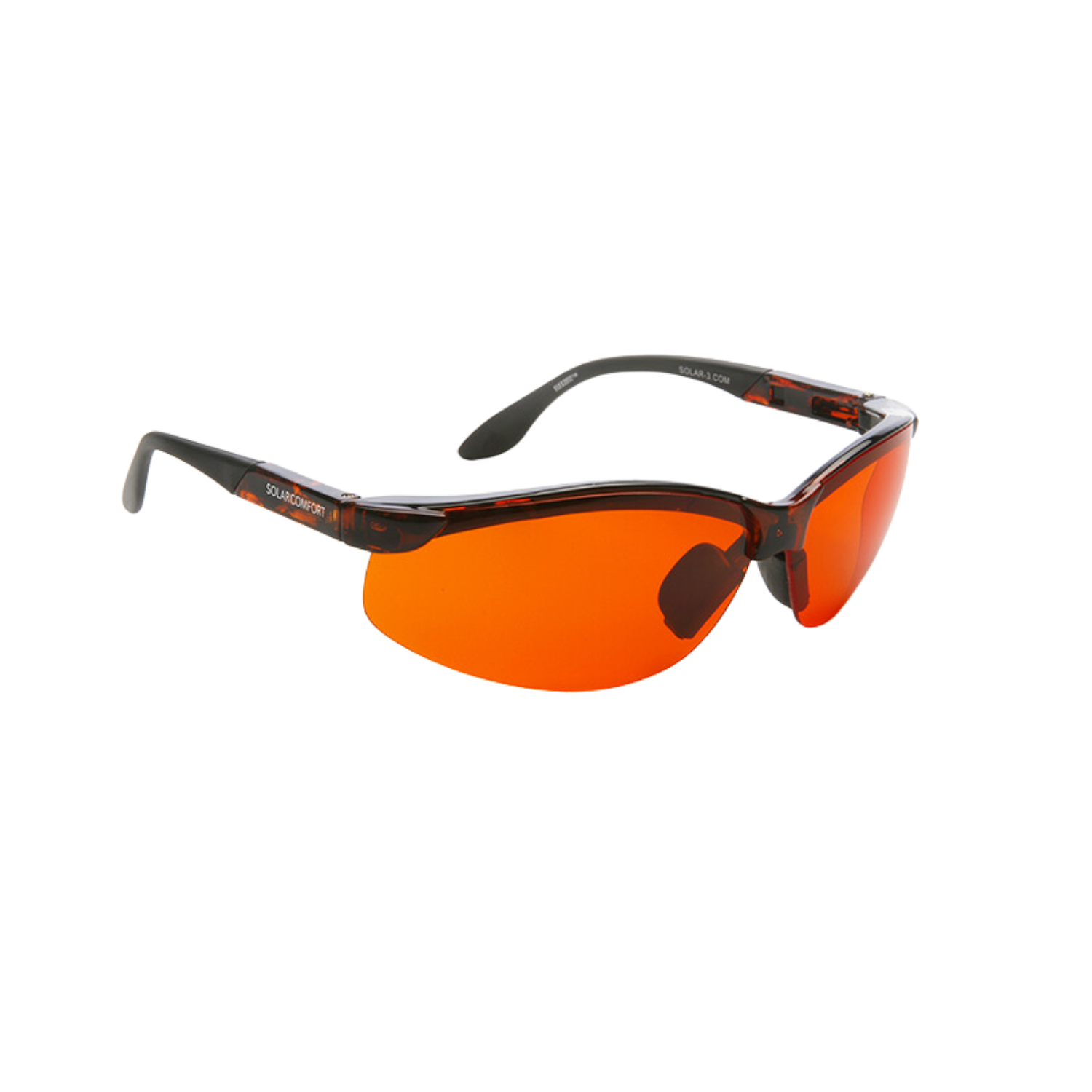
Right side of FC6 blue light glasses with orange lenses and Havana frames.
Woman wearing red-tinted sunglasses with a neutral background

Explore Our Wide Range of Frames and Tint Colors

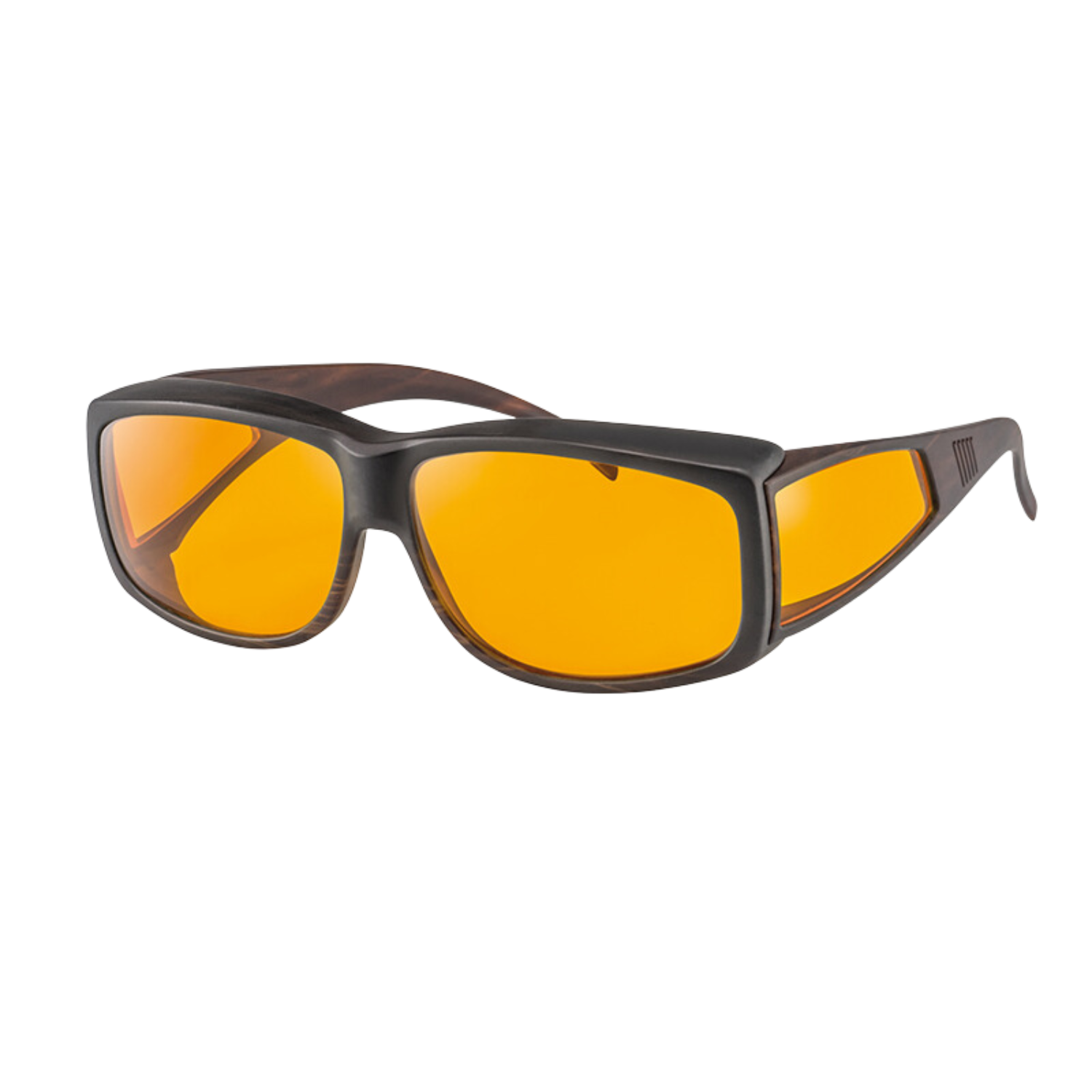
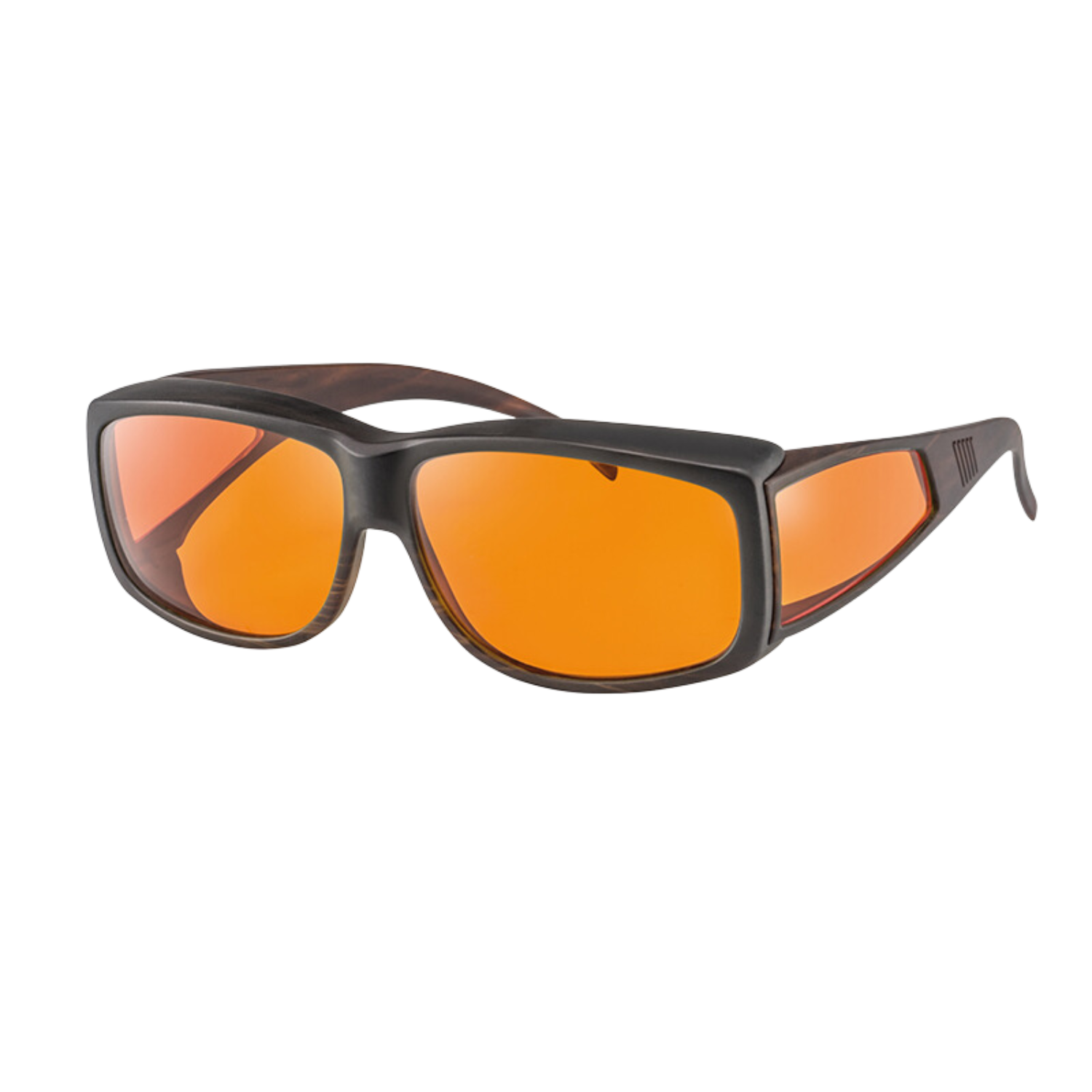
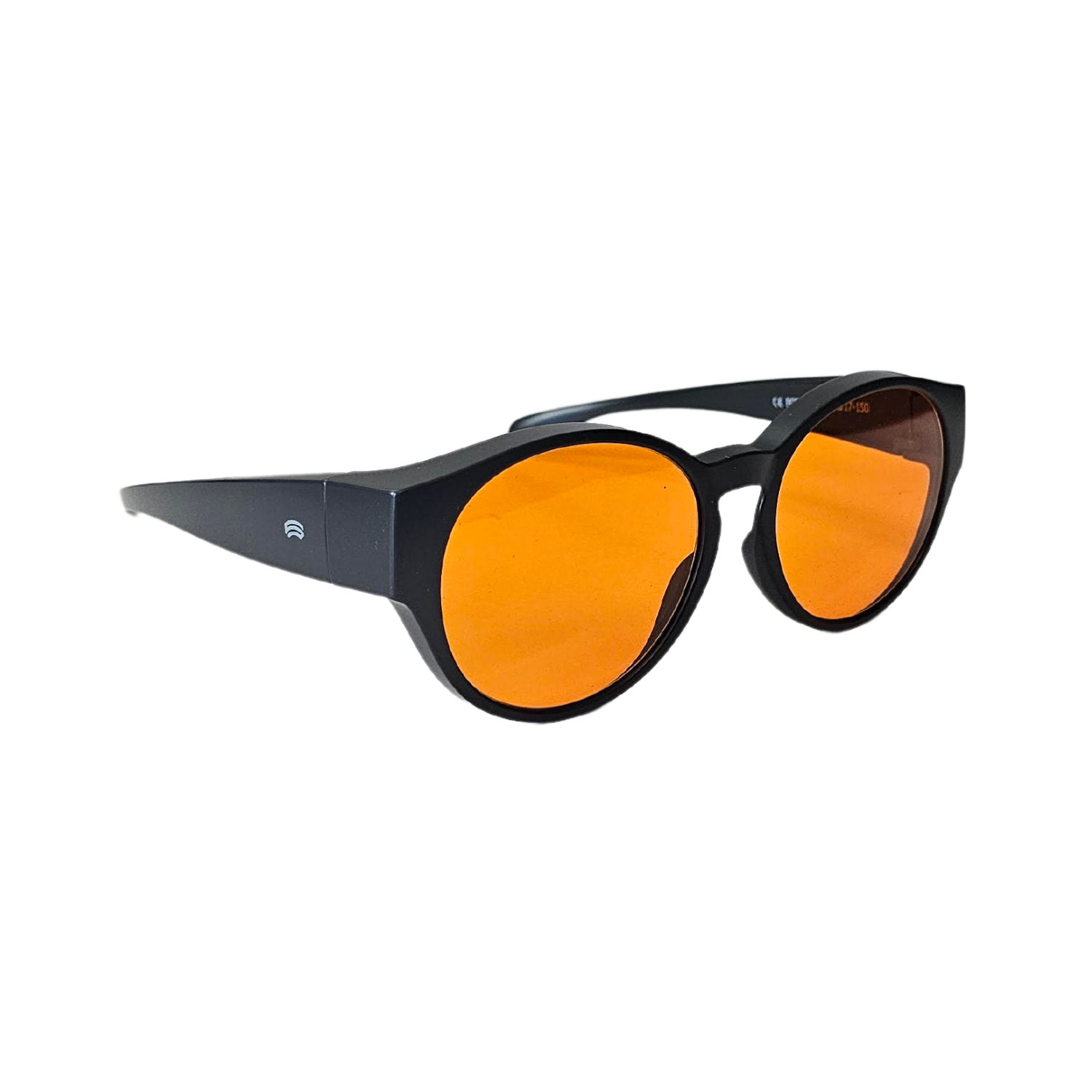
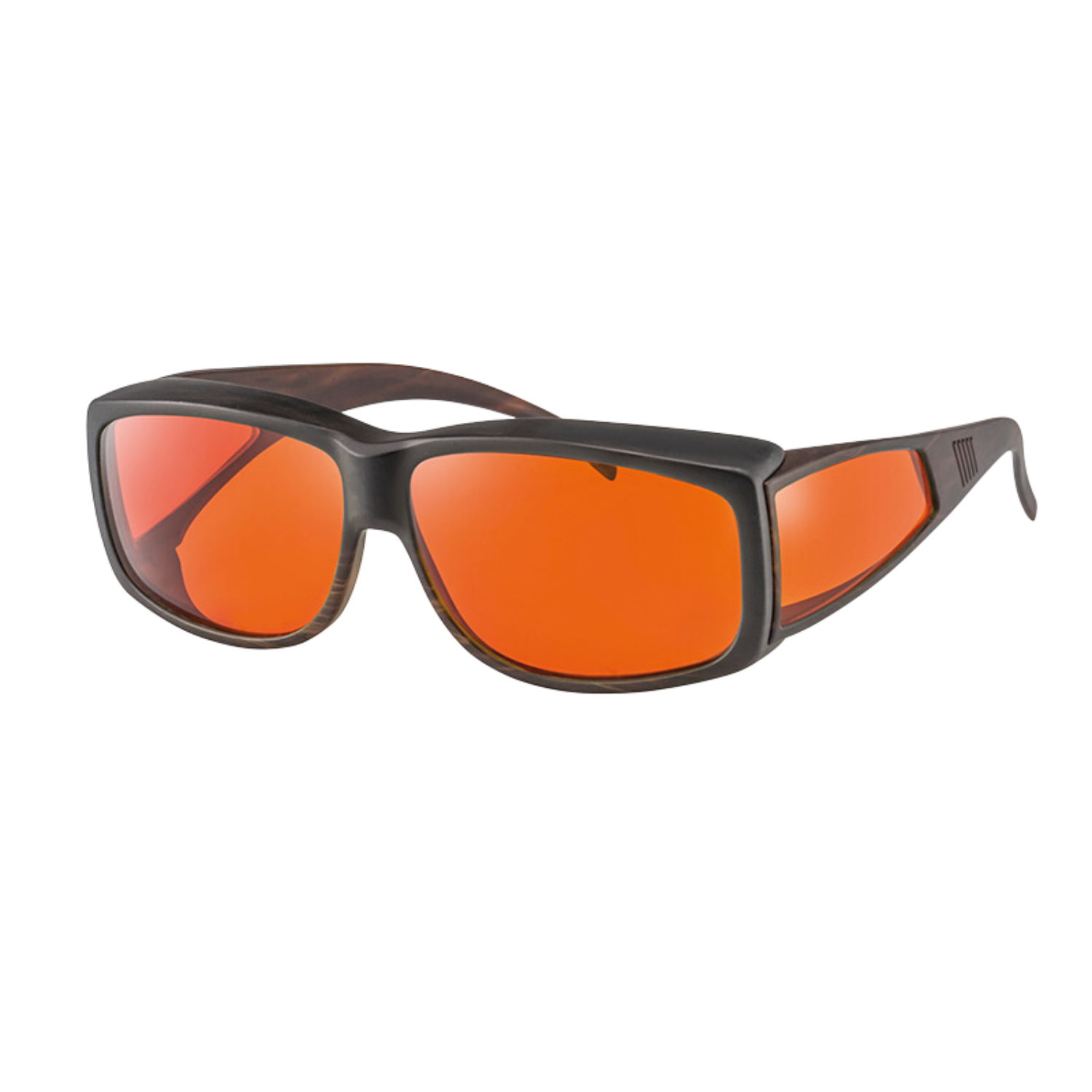
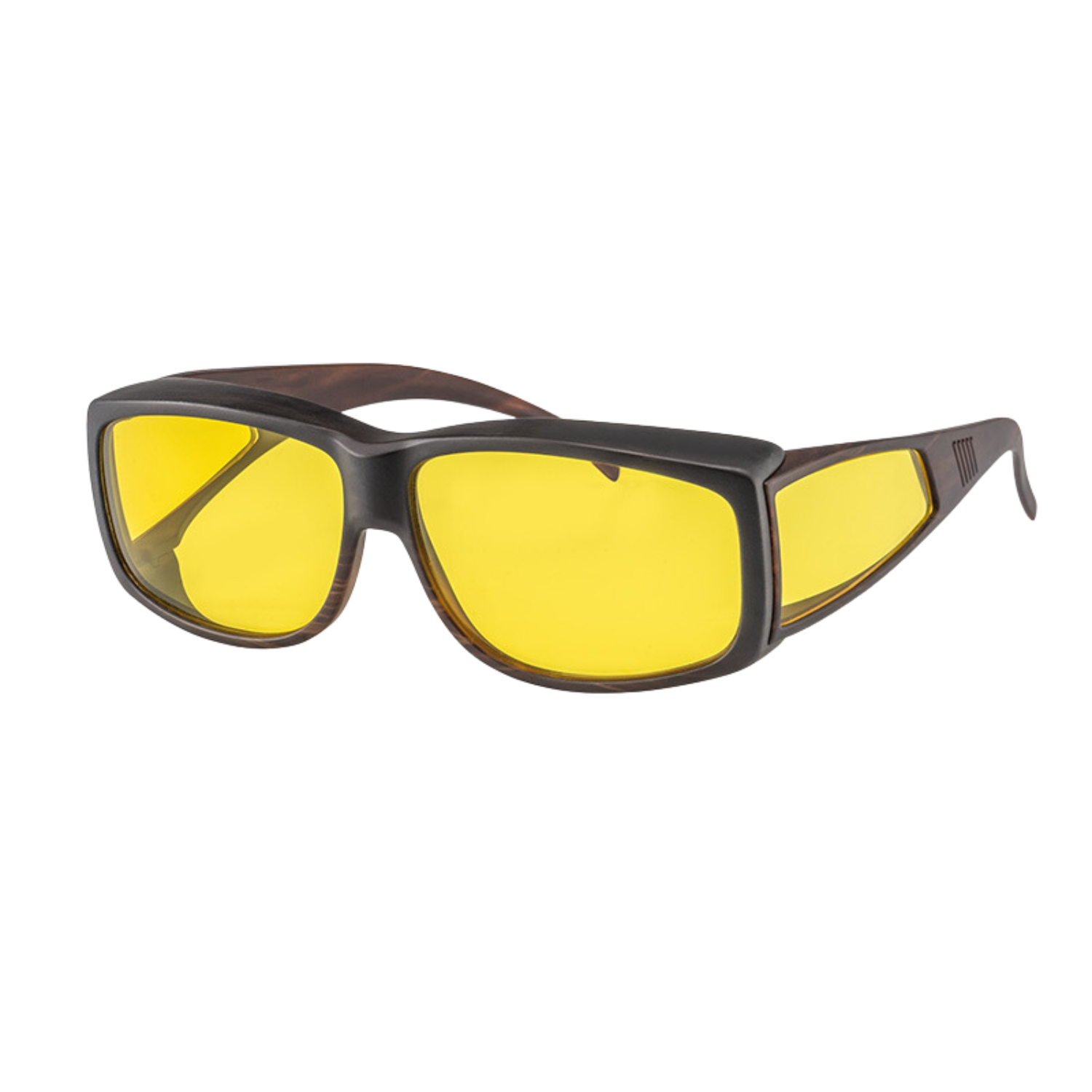
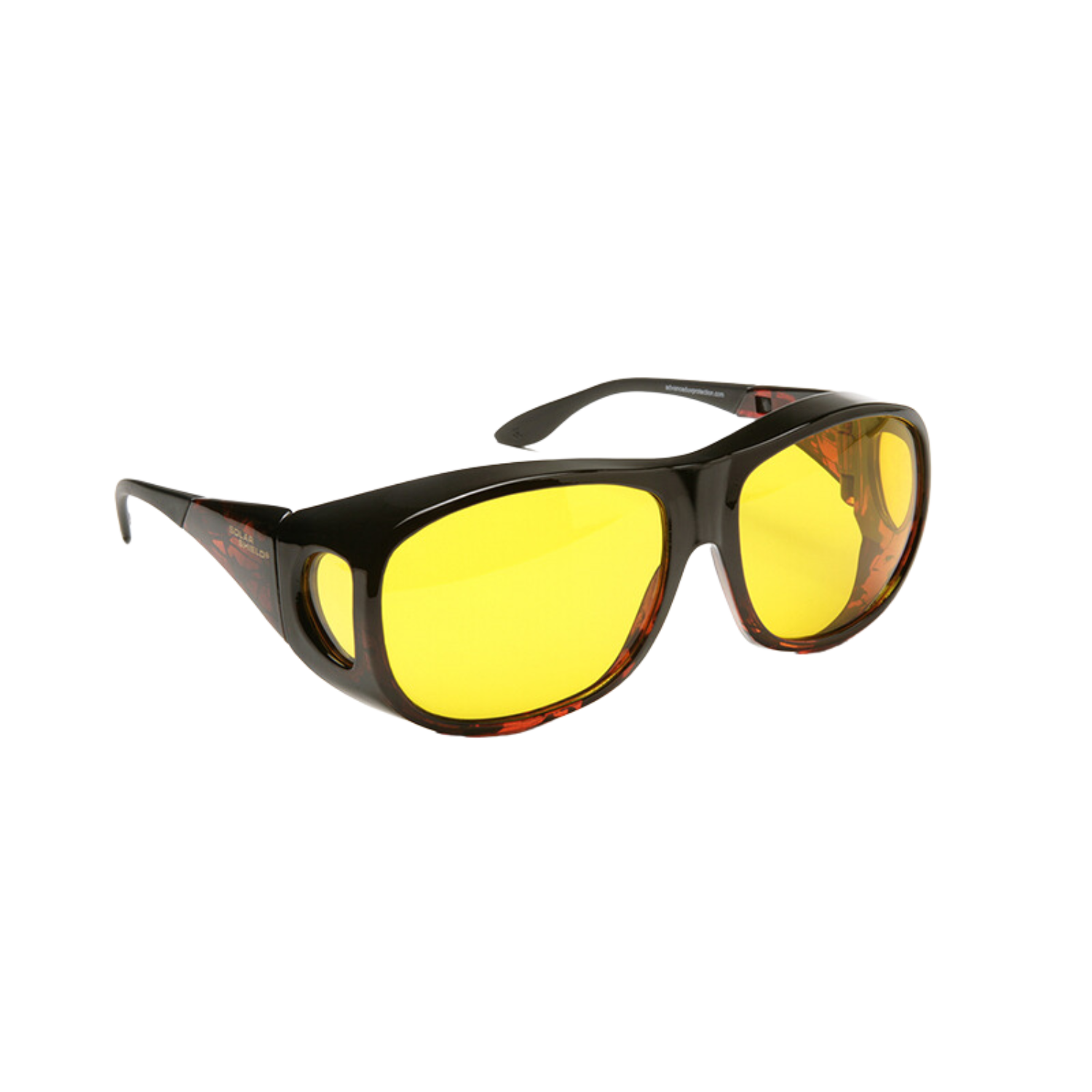
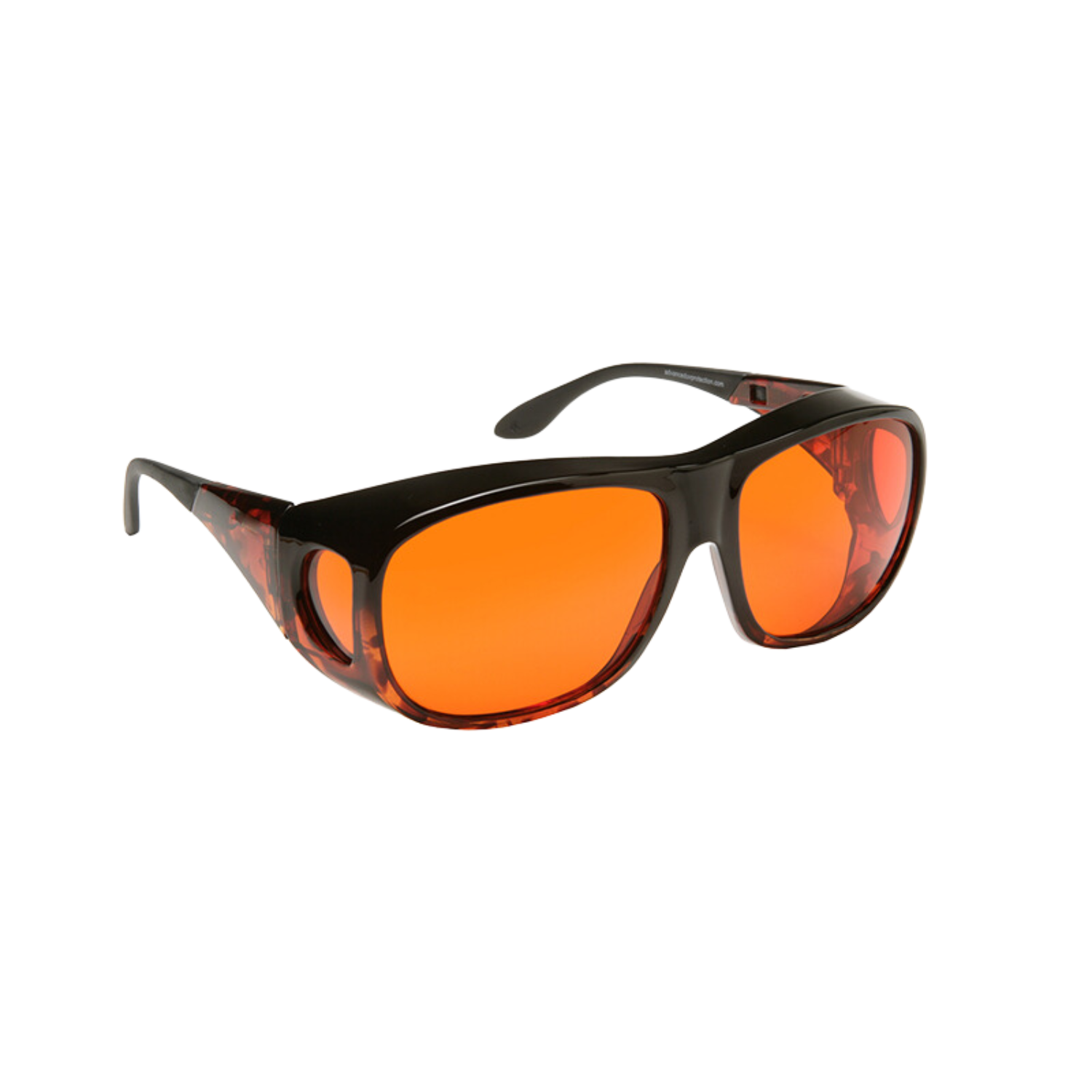
  • Fit-over blue light glasses for wearing comfortably over your prescription eyewear
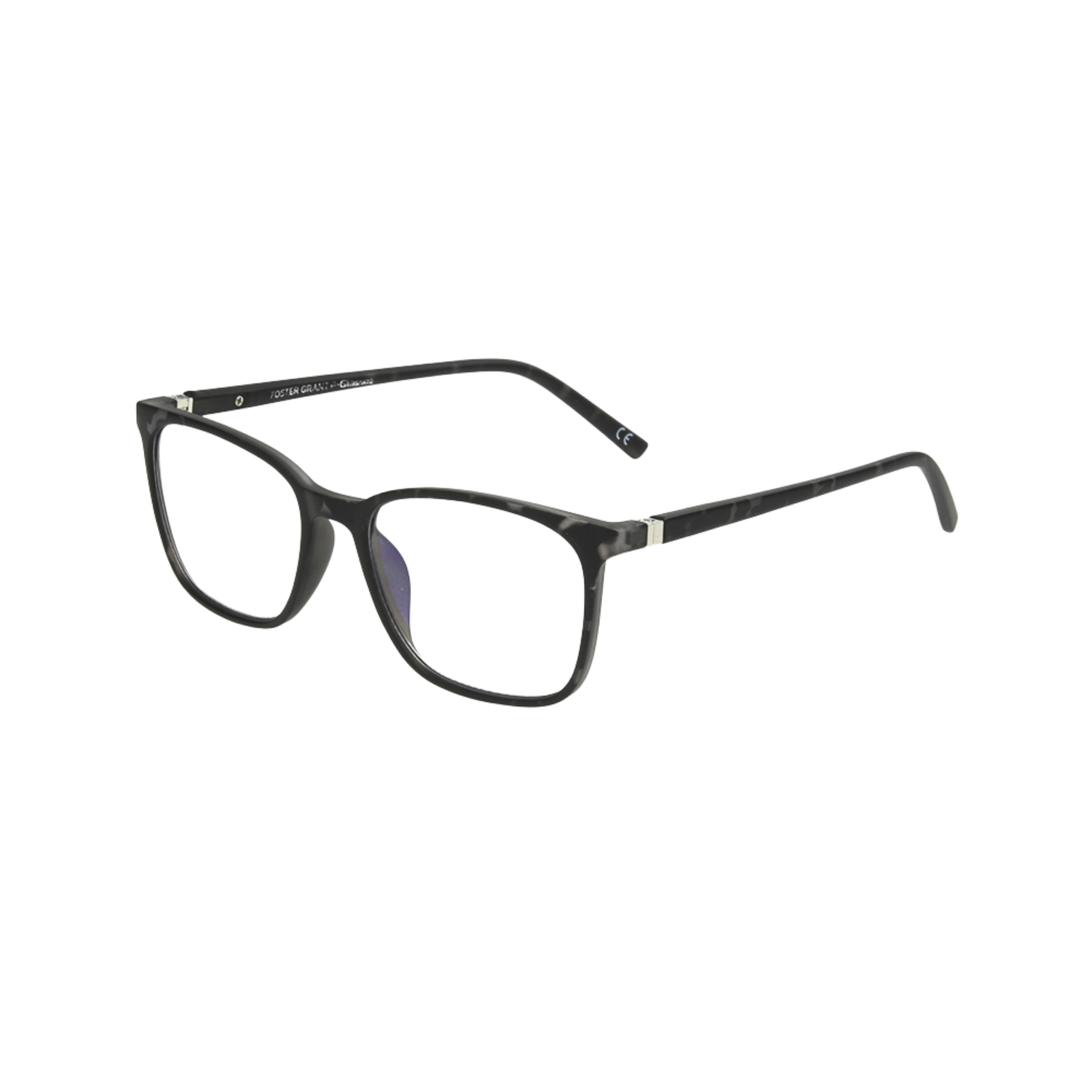
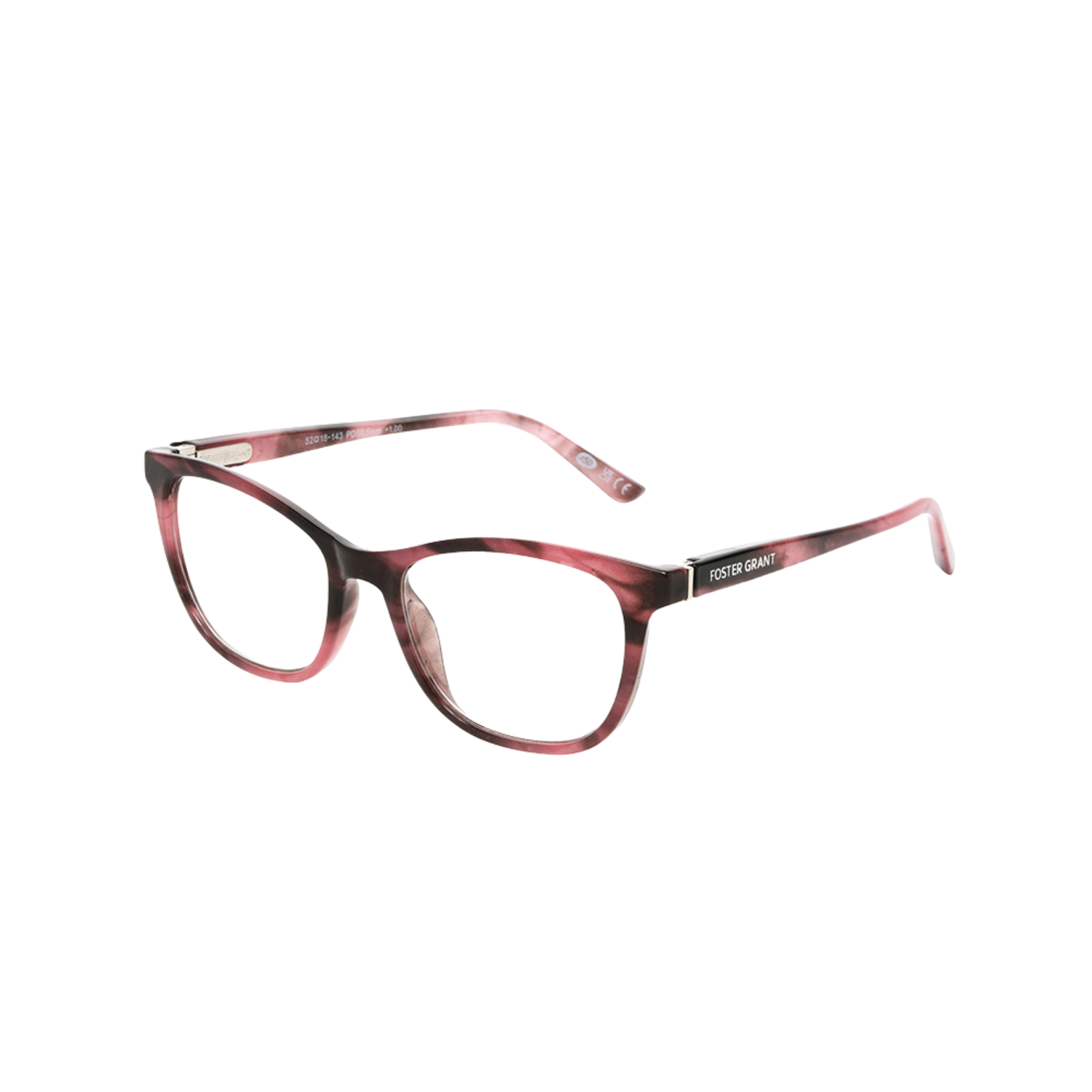
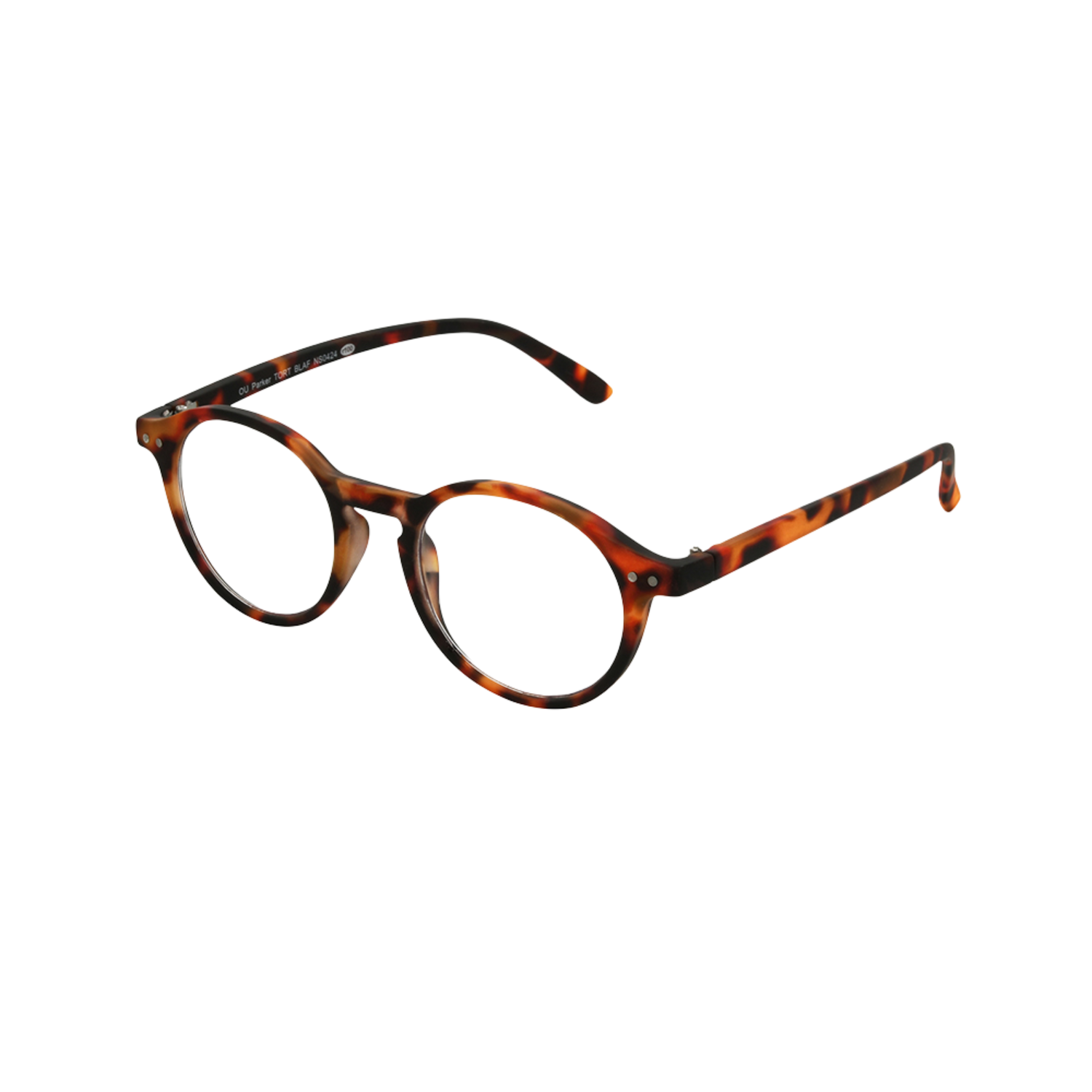
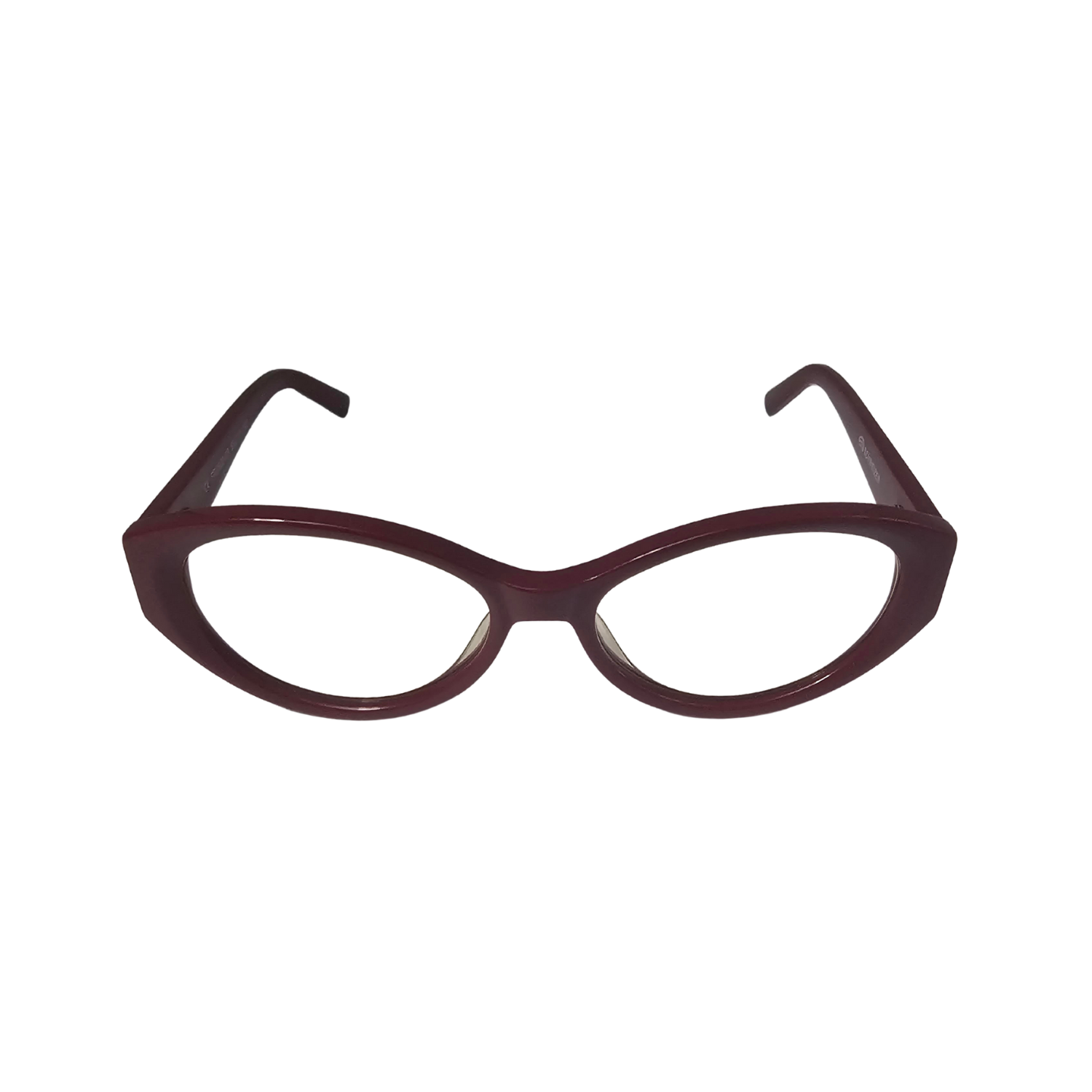
  • Blue light filter coated reading glasses with clear lenses for reduced glare while reading.
  • High light absorption sunglasses designed for outdoor brightness and everyday glare reduction
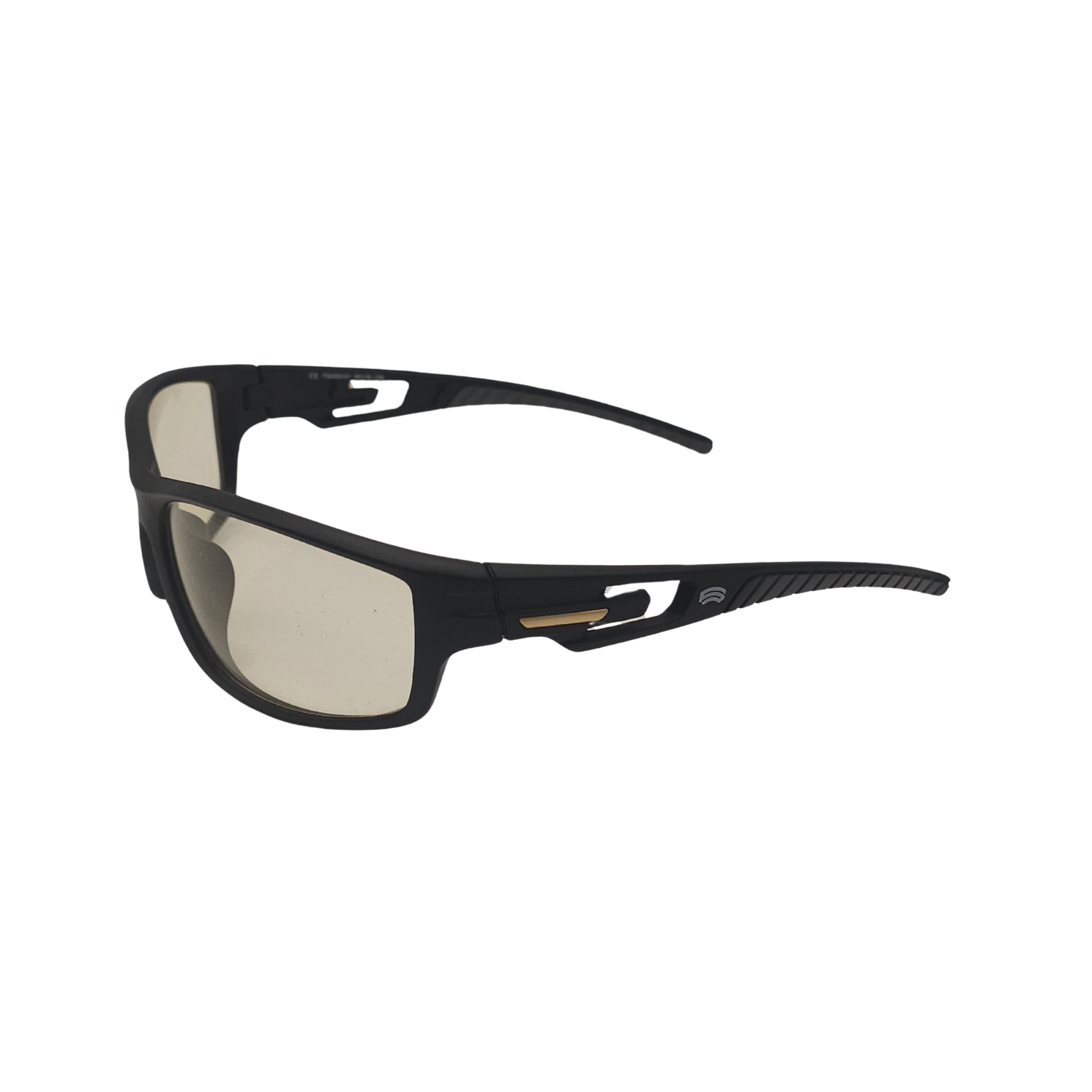
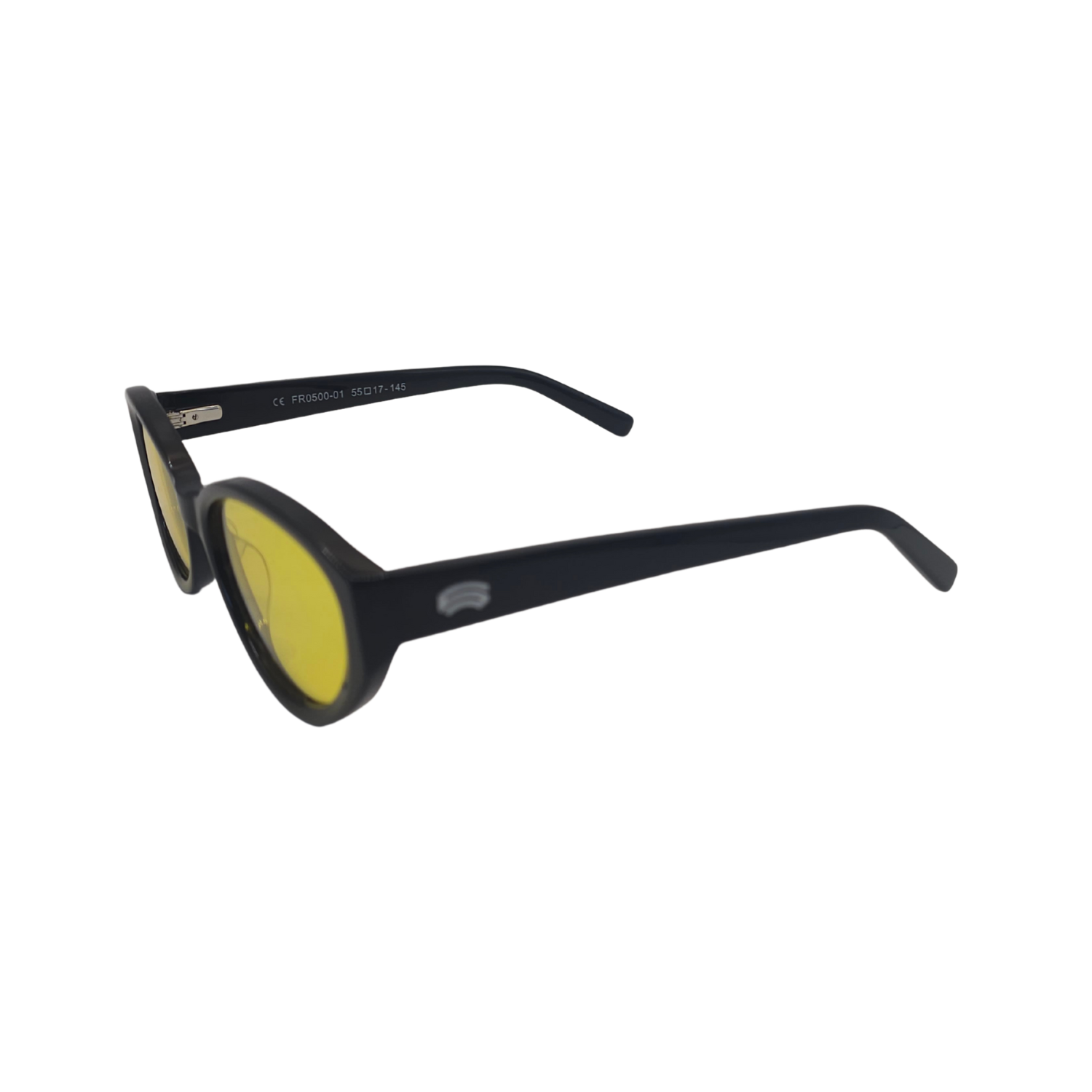
  • Night driving styles suited for select low-light driving conditions
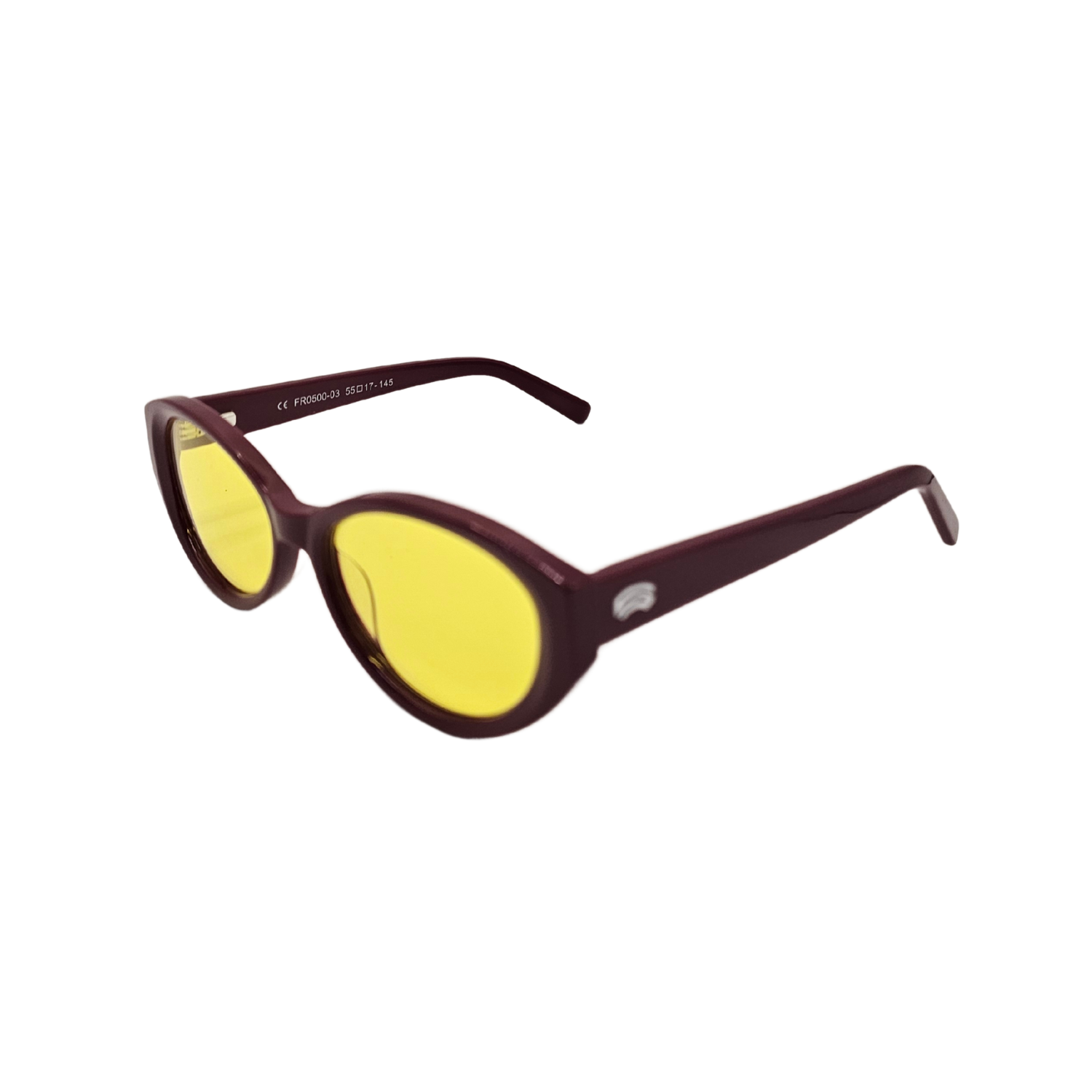
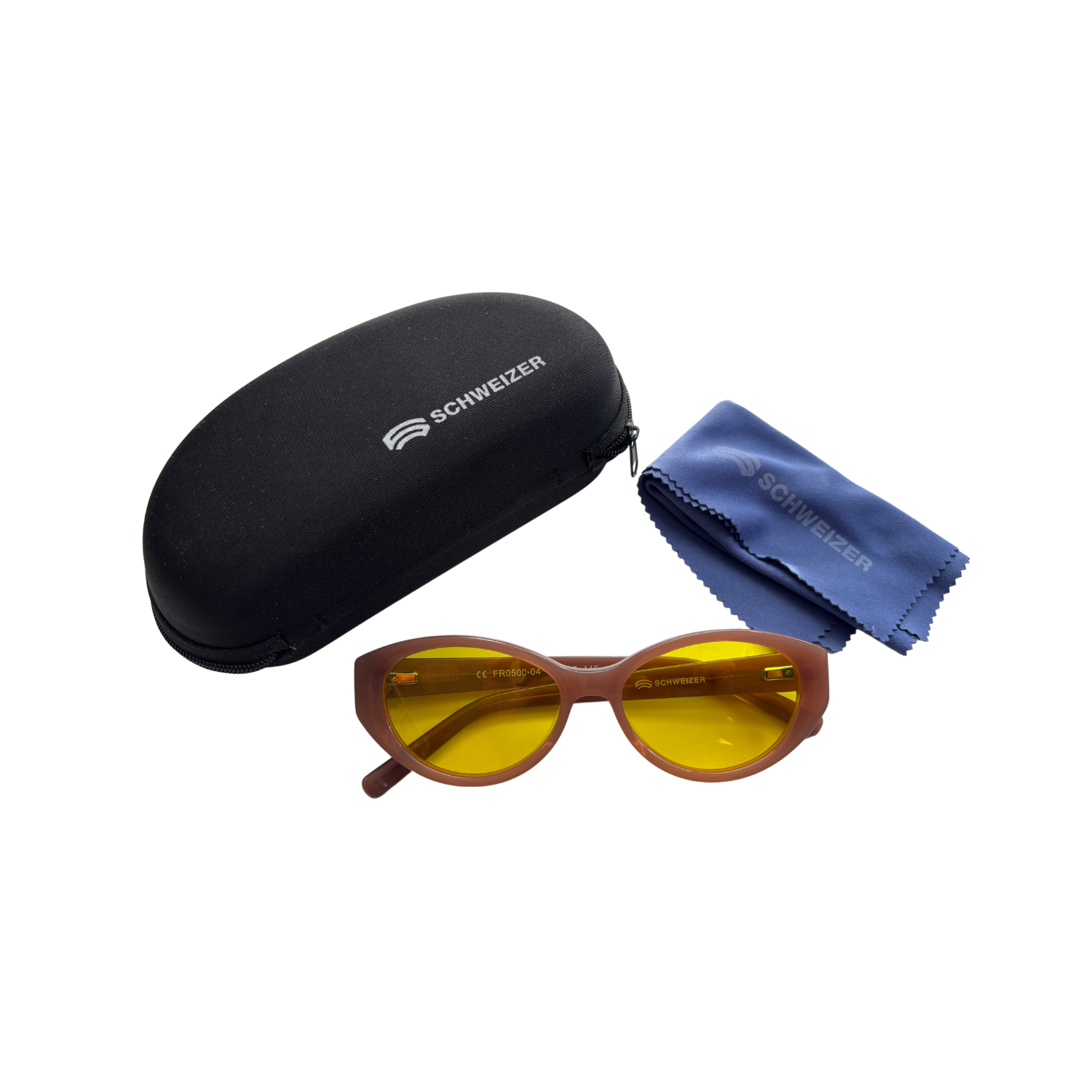
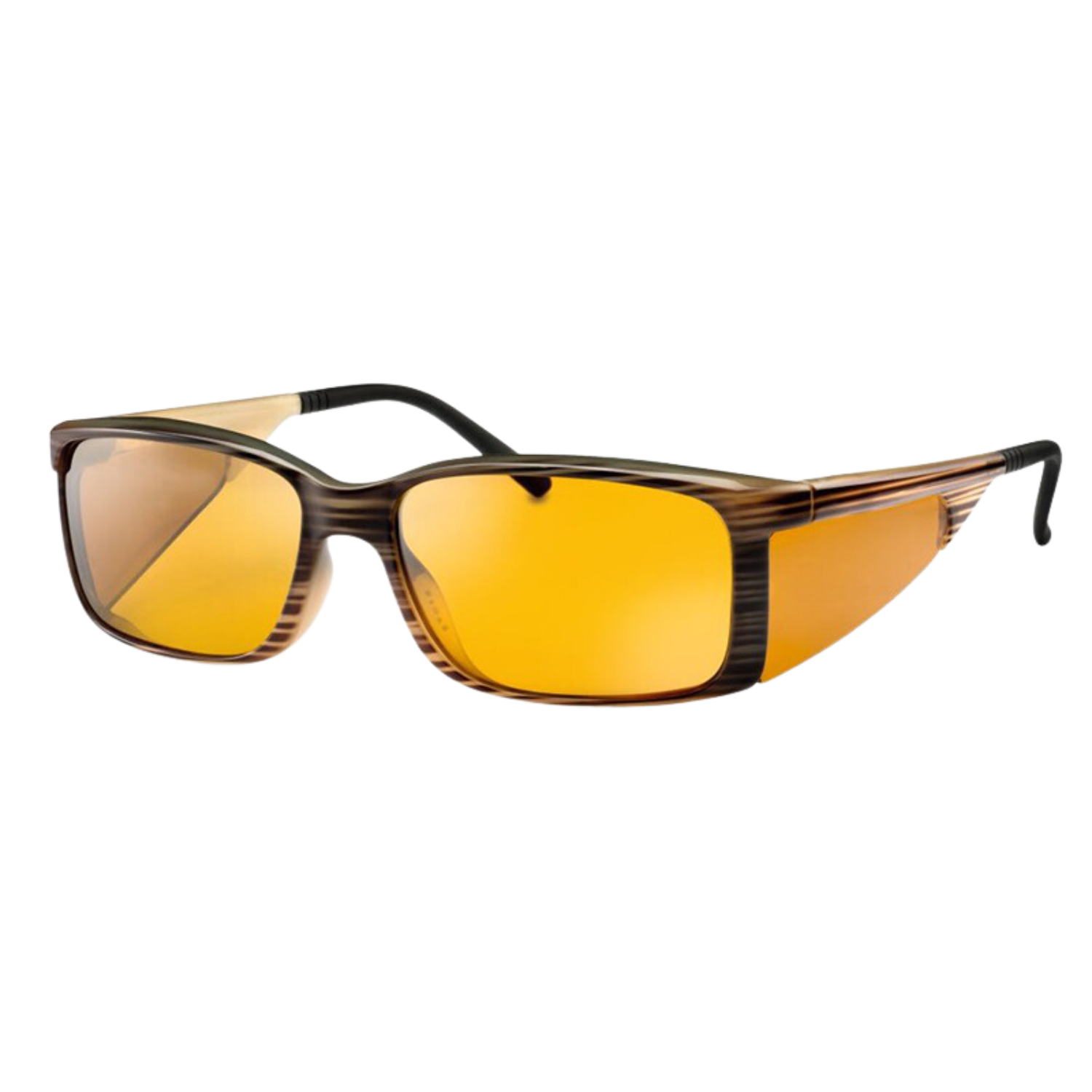
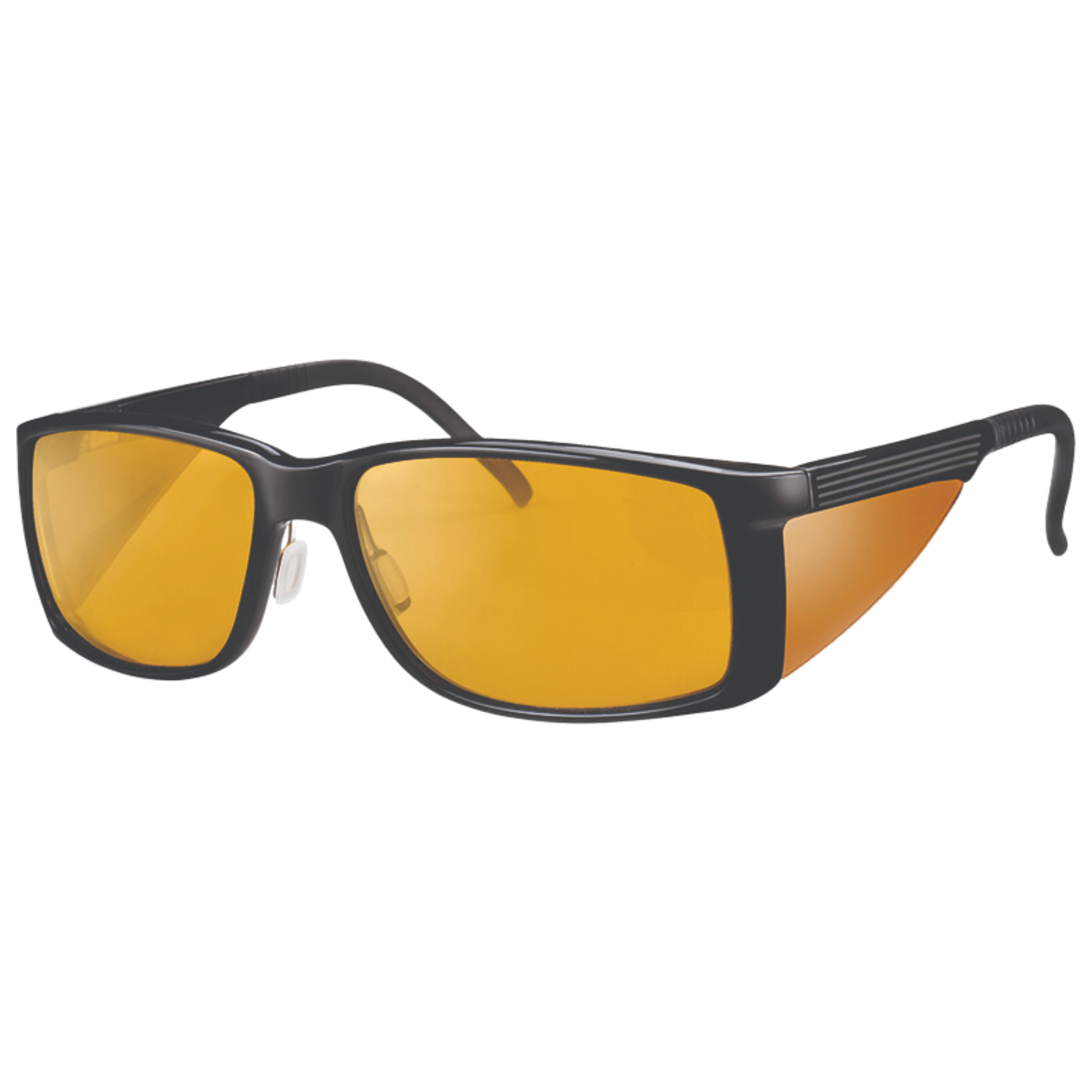
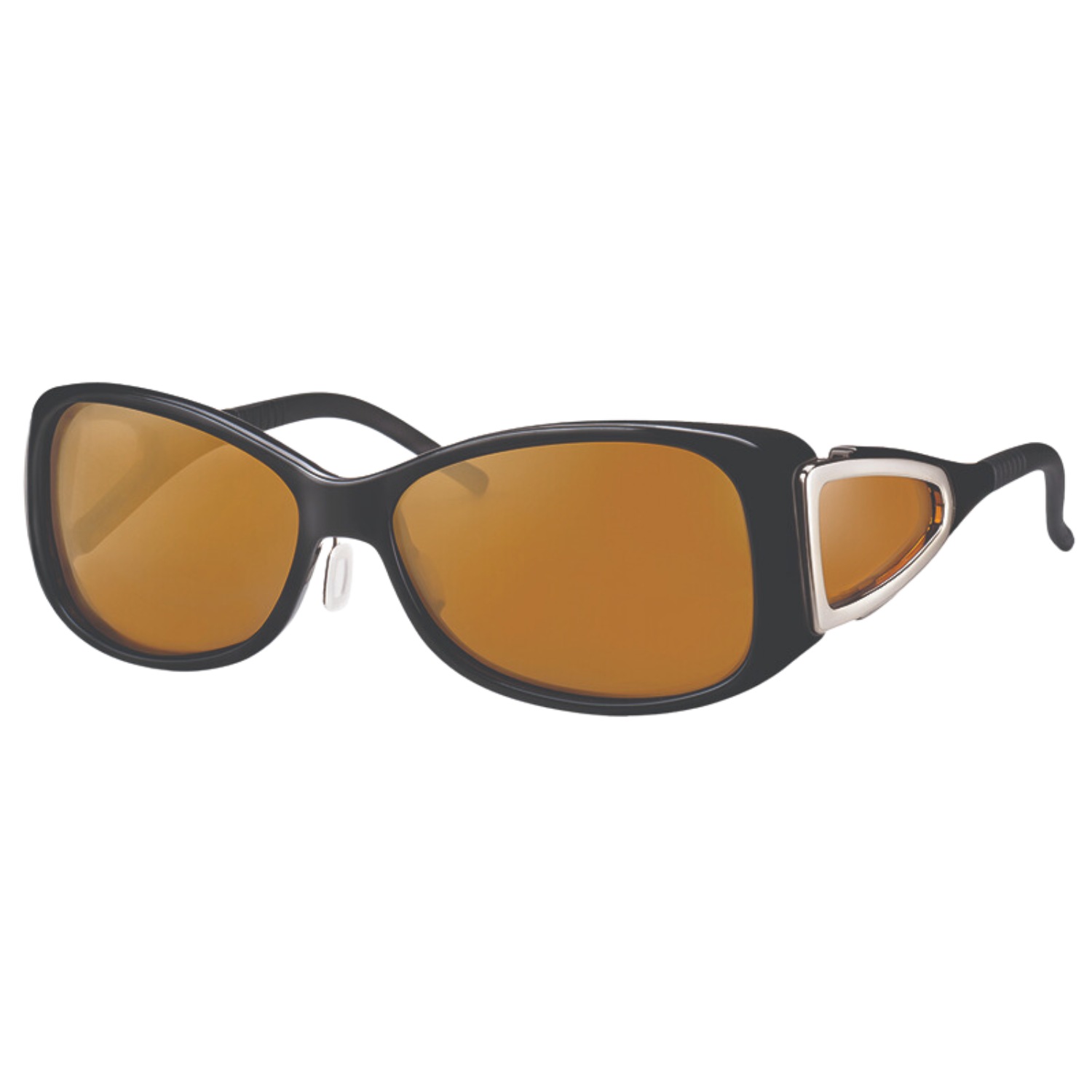
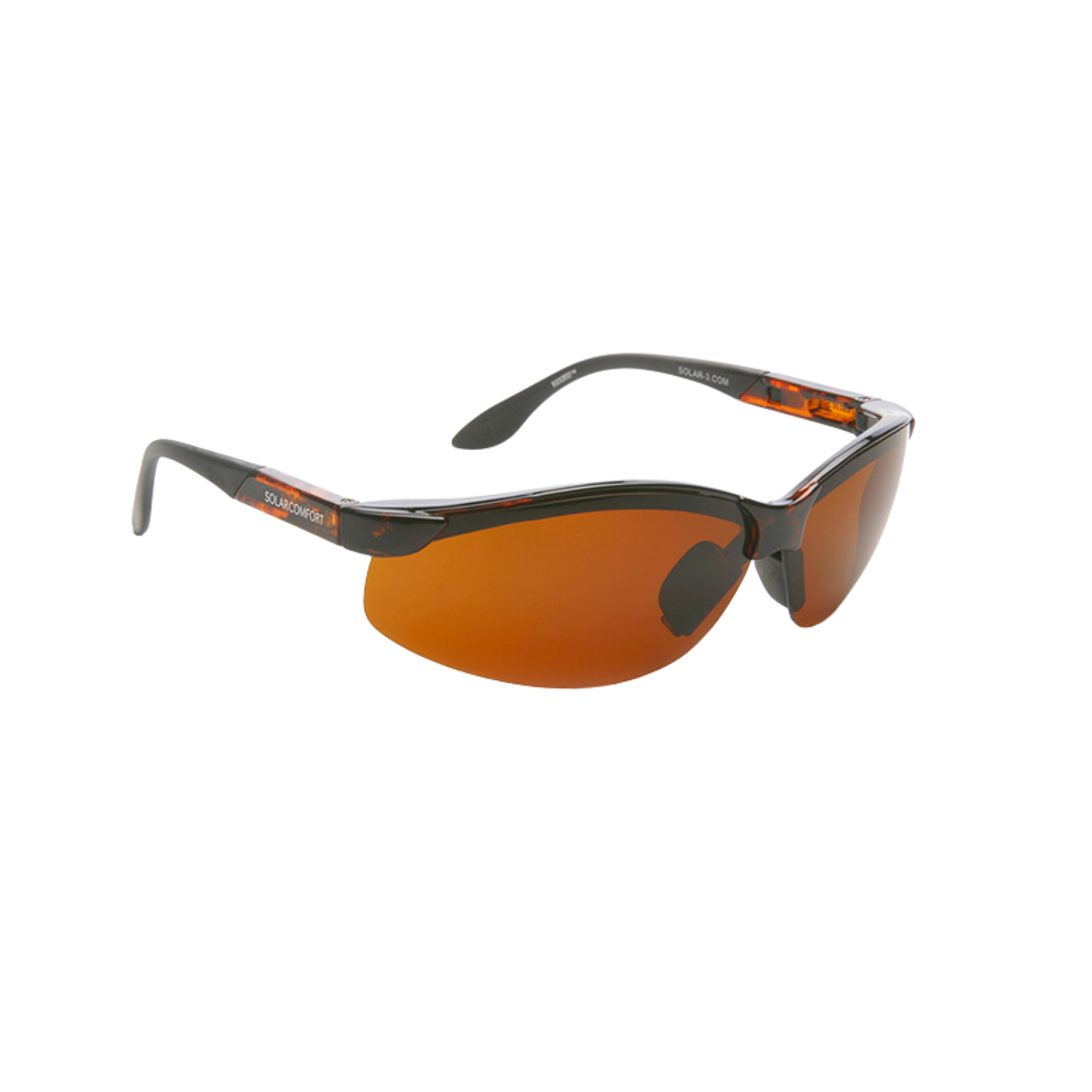
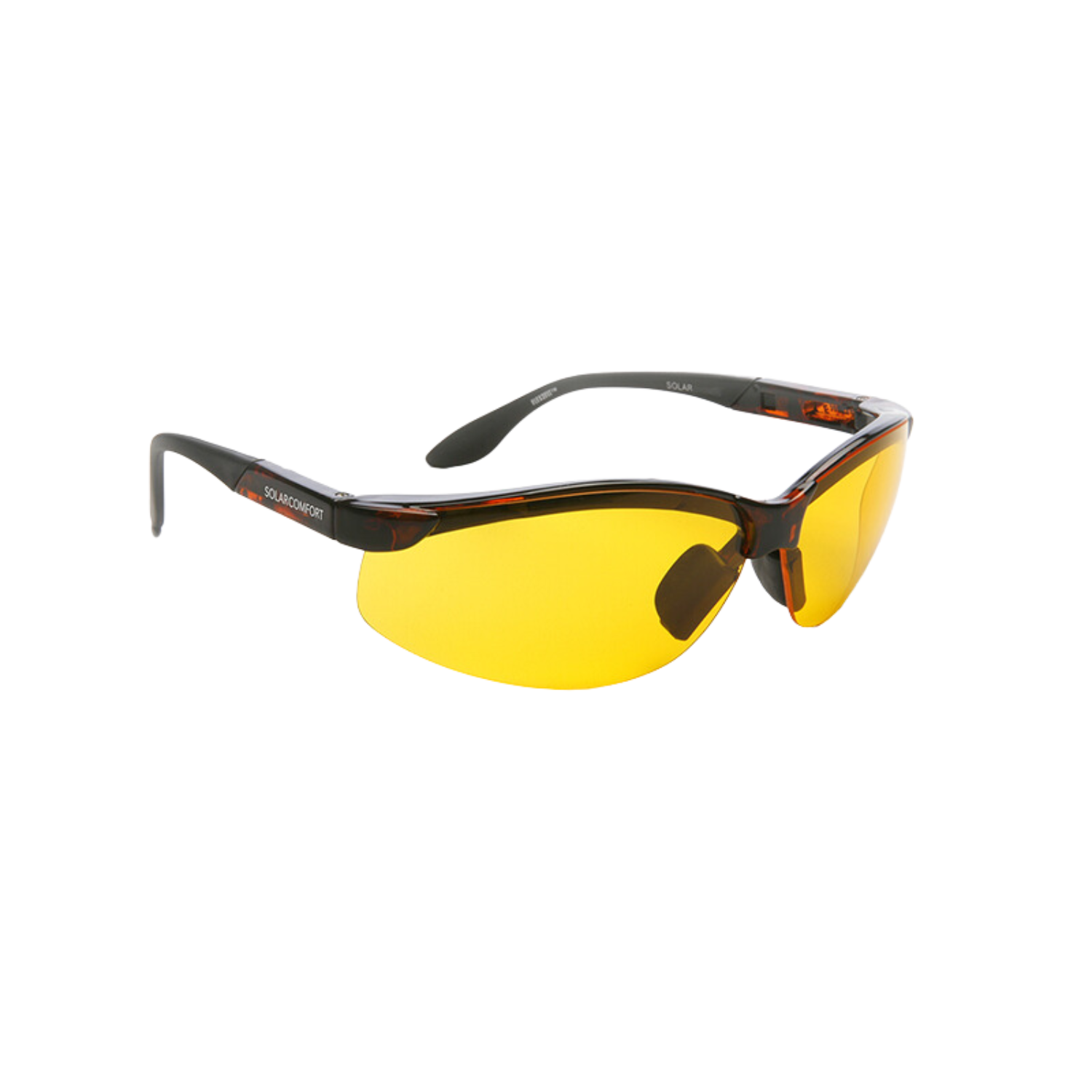
  • Amber, yellow, and orange tints for progressively stronger blue light filtering
  • Lightweight, durable frames built for extended daily wear
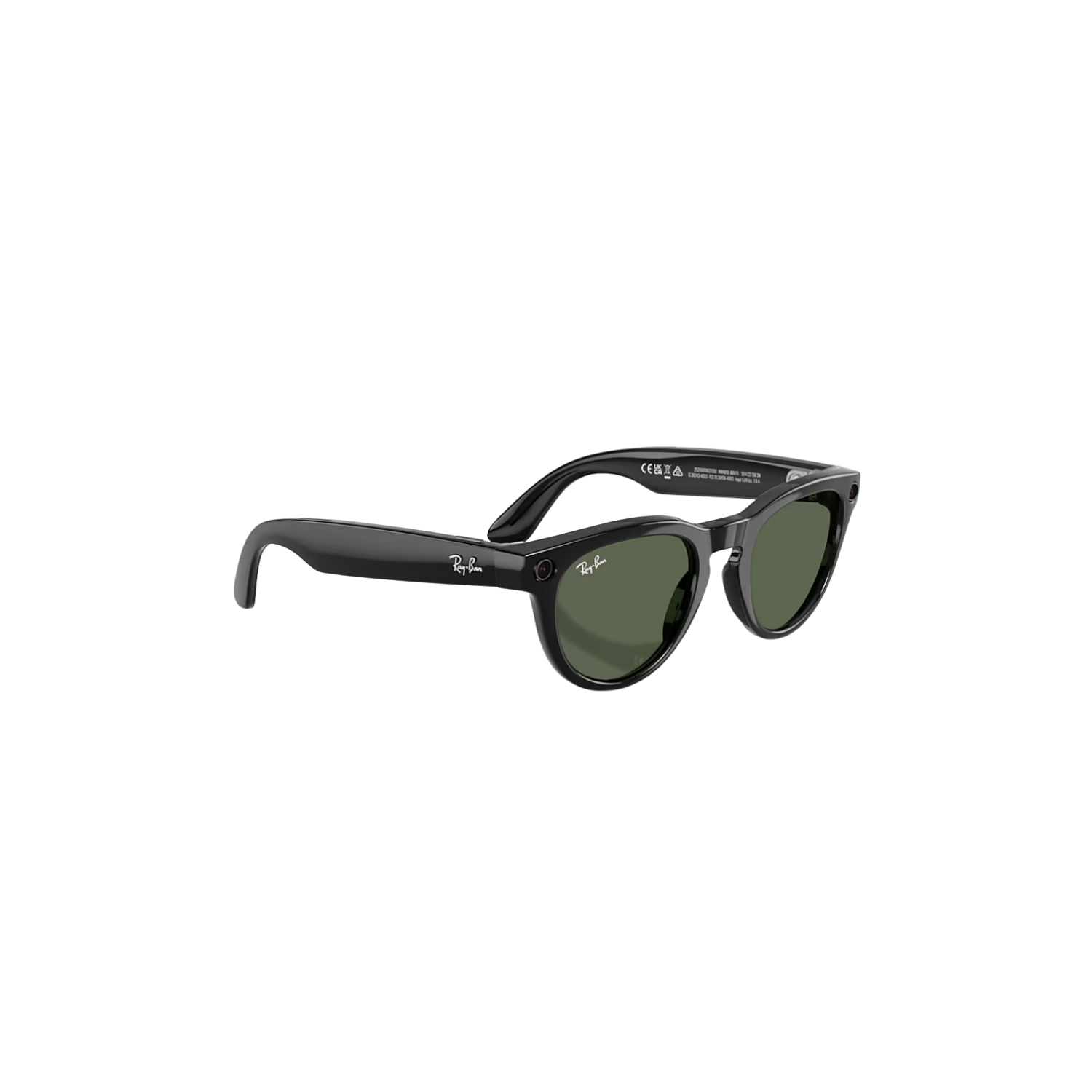
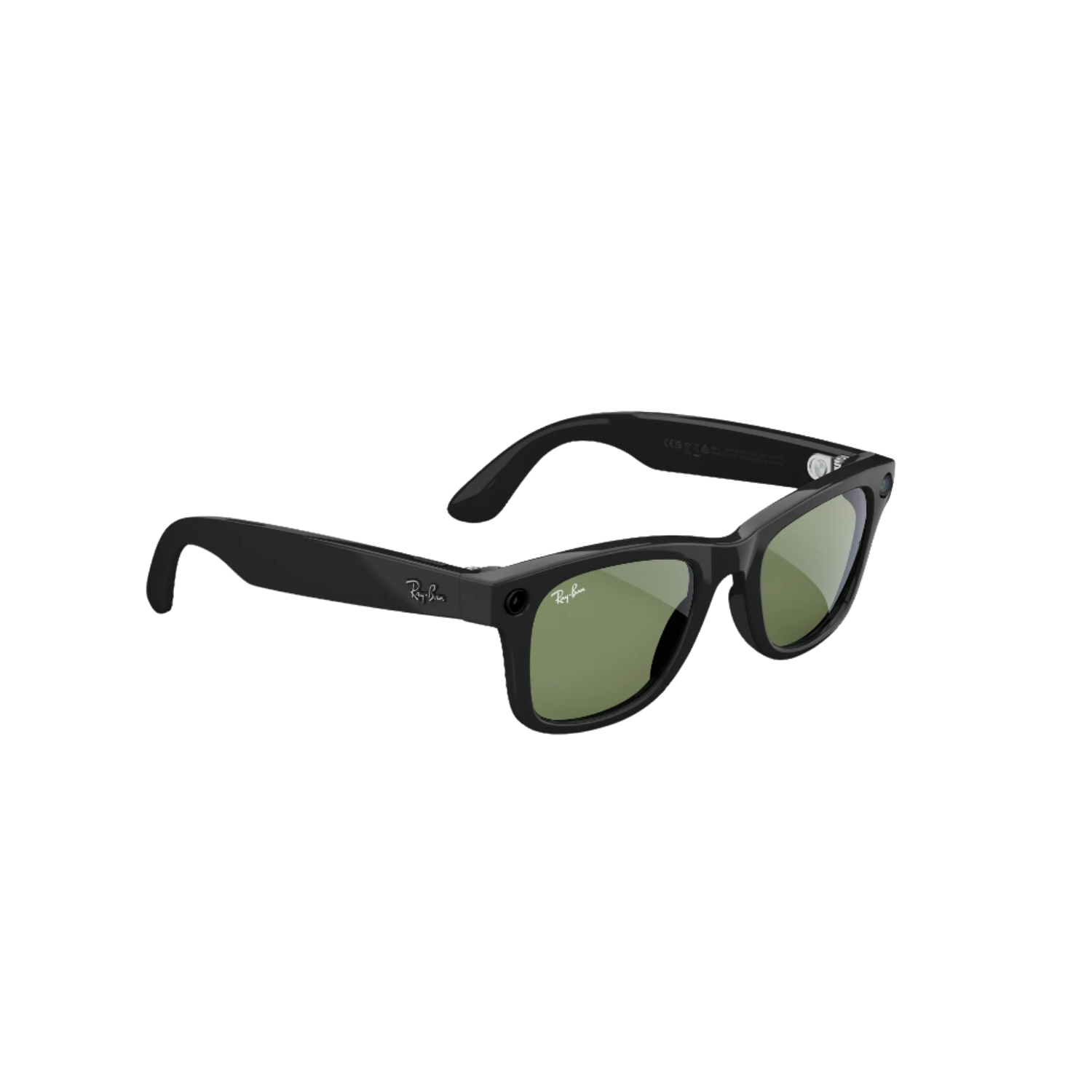
  • Smart glasses with integrated blue light blocking lenses for tech-forward users
  • Sport style frames designed for active, on-the-go lifestyles

Recently viewed

Understanding Blue Light Blocking Glasses

Blue light filtering technology works by reducing the transmission of high-energy visible light within the blue wavelength range. Blue light tinted lenses use coatings and color variations, from clear, light yellow and amber to deep orange and red, to adjust how much light is filtered. Lighter tints allow more natural color perception, while darker, warmer tints filter more of the blue spectrum.

Brands such as Eschenbach design precision lenses using these tint variations for dependable daily wear. This range of tint choices allows shoppers to select lenses suited to reading, screen use, or everyday indoor and outdoor lighting conditions.

Woman wearing glasses looking at a computer screen with a blurred background

Frequently Asked Questions

A) Blue light filtering lenses are generally engineered to reduce transmission within the high-energy visible (HEV) range, roughly 400–500 nanometers. Different lenses are designed with different cutoff points, such as 415nm, 450nm, or 480nm, which determines how much of that range is filtered.

A) As a general guideline, clea lenses and lighter tints such as light yellow tend to filter a smaller percentage of blue light, while medium yellow and amber tints filter a moderate amount, and dark orange or red tints filter the largest portion. Filtering strength and tint depth increase together.

A) Light to medium yellow or amber tints are often selected for reading tasks, since printed text doesn't rely on screen color accuracy the way digital work does, allowing for a stronger filtering tint without a functional tradeoff.

A) Darker tints are generally chosen by individuals who want a higher degree of blue light filtering and contrast enhancement in brighter environments like sunlight.

Customer Support

Call us at 678-223-3571, we're here to help!

Send a Message

Email us at service@lowvisionsupply.com, or send us a message through our Contact Us page.

Need Help Choosing Blue Light Filtering Glasses?

Selecting the right blue light filters can depend on lens tint, frame style, and daily use. Our team at Low Vision Supply offers personalized guidance to help you find eyewear suited to your needs and lighting conditions.

Contact Us

High Quality Blue Light Blocking Glasses

From morning reading to evening screen time, a high quality pair of blue light blockers can take glare out of your daily life. Many people choose them for home use, shopping, office work, travel, and other settings where extended reading or device use is common. Fit-over and sport styles allow for flexible, on-the-go wear, while reading and sunglasses options support both indoor and outdoor activities.

By offering practical, contrast enhancing glasses across multiple tints and styles, this collection makes it easier for you to find eyewear that fits their daily habits and supports greater independence in everyday tasks.